F1 Australia 2026: Strategy Choices Shift After Mercedes Front-Row Lockout

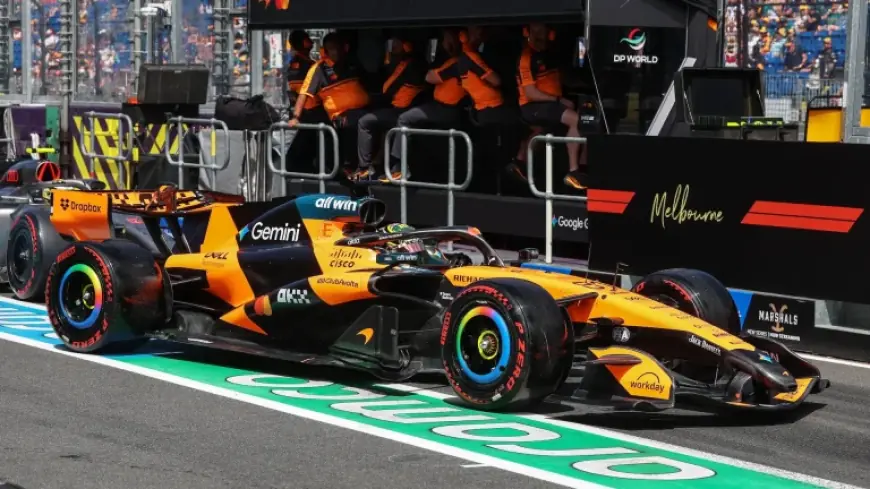
Sunday at 9: 14 a. m. ET — at the Albert Park Circuit in Melbourne, George Russell secured pole and Mercedes locked out the front row, reshaping tactical choices for the season-opening weekend; the developing picture for f1 australia 2026 also includes a Turn 1 crash that left a leading driver unable to set a lap.
Mercedes lock-out and qualifying gaps alter Albert Park tactics
Mercedes had all the pace they needed in qualifying, taking the front two spots at Albert Park with George Russell on pole and Kimi Antonelli second. Russell took his ninth pole position, finishing three-tenths clear of Antonelli, and that daylight to the rest of the field forces teams to rethink when and how they will use pit stops and tyre compounds.
Isack Hadjar qualified third, eight-tenths off pole, a margin that raises questions about aggressive single-lap pace versus race durability. Meanwhile, a crash at Turn 1 left Max Verstappen unable to complete a lap in qualifying; that failure to post a representative time increases variability in expected race runs.
F1 Australia 2026: Pit-stop and tyre options laid out by Matt Youson
Matt Youson takes a look at the different pit stop and tyre options available to teams for the season opener at the Albert Park Circuit in Melbourne. His assessment highlights that, given Mercedes’ pace and the mixed qualifying outcomes, teams can pursue divergent race plans rather than committing to a single, qualifying-driven approach.
For f1 australia 2026, that means some teams may prioritize early undercuts and softer compounds to gain track position, while others could favor longer first stints to exploit tyre life and traffic patterns. The variability created by the qualifying order makes Sunday’s strategy a central storyline.
Verstappen crash and Hadjar gap widen strategic permutations
Max Verstappen failed to complete a lap after his crash at Turn 1, removing a key data point from the weekend and opening room for alternative strategies from his team and rivals. Isack Hadjar’s position and the size of the gaps to the front suggest several distinct race plans could contest for victory rather than a grid-determined outcome.
That pattern carries a specific historical echo: the weekend includes the 2026 Melbourne Feature Race and, within qualifying, Russell’s ninth pole position; last year the qualifying gaps could have covered all ten teams, underscoring how unusual the spread is this weekend.
Teams will finalize tyre and pit-stop windows after warm-up runs and practice data, with setup choices now influenced as much by Mercedes’ clear single-lap speed as by unexpected incidents that removed key lap times. For now, the provisional takeaway is that Sunday’s race isn’t going to be decided solely by qualifying position.
Next confirmed milestone: the season-opening race on Sunday at 3: 00 p. m. ET; if teams commit to alternate tyre sequences during the first stint, expect pit-stop timing to determine podium contenders by mid-race.