Stronger U.S. Pressure on Cuba Threatens Havana’s Energy Relief, Donald Trump Cuba

Saturday at 10: 00 a. m. ET, Cuban residents and foreign diplomats will face intensified diplomatic and economic pressure that narrows Havana’s options for getting emergency fuel and negotiating relief; the phrase donald trump cuba has become central to those expectations. President Donald Trump made the remarks that set that course at a Western Hemisphere summit.
Havana faces deeper blackout and fuel shortages after islandwide 24-hour outage
The most immediate change is harsher daily conditions for Cubans: the island suffered another 24-hour nationwide blackout that has left garbage piled high, with only a small part of state garbage trucks operating and some residents burning refuse at night, and many households cooking with firewood during recurring blackouts. The thermo-energy plants cannot generate enough electricity without more crude oil, and generators fail when fuel is scarce.
Donald Trump Cuba: summit warnings and plans to deploy personnel raise stakes
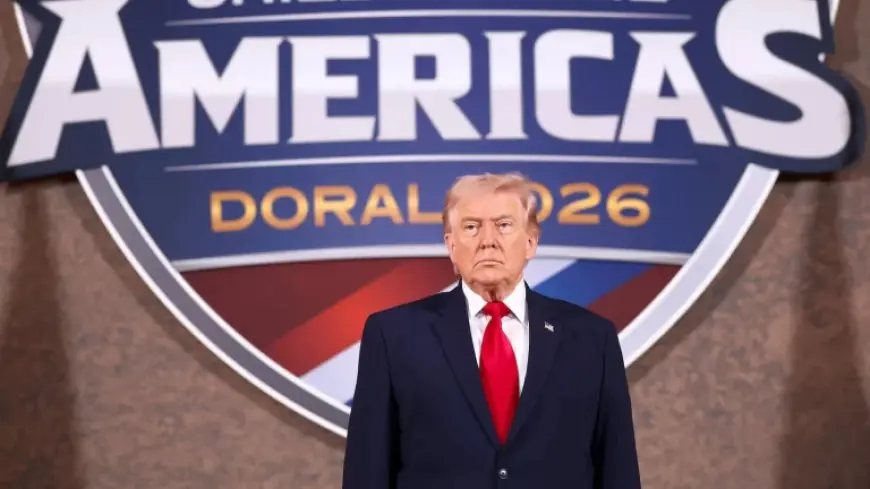
President Donald Trump told summit attendees in Doral that Cuba is “gonna fall pretty soon” and said he planned to “put Marco [Rubio] over there, ” comments that signal the administration intends to keep up pressure on the island and could presage direct U. S. involvement in negotiations. At the same gathering described as the “Shield of the Americas” summit, Trump paired his Cuba warnings with praise for recent military action and the capture of Venezuela’s leader, tying regional security moves to his Cuba posture.
Supply shortfalls deepen after Venezuela oil link is cut and partners cannot fill the gap
As a secondary consequence, Cuba’s loss of Venezuela as its main crude supplier after the forced removal of Nicolas Maduro on 3 January has left the island without an obvious replacement: none of Cuba’s other energy partners, particularly Mexico, has been able to step up to fill the breach. That shortfall has translated to fewer cars, failing generators and a widening public-health concern tied to prolonged outages.
Still, the president’s public statements — including his assertion that Cuba’s leadership is negotiating a deal and is “ready – after 50 years” — make clear the administration sees maximum pressure as a leverage strategy to weaken Havana’s negotiating position ahead of any face-to-face talks.
Personnel moves and coalition-building at the Shield of the Americas summit shift regional alignments
The summit hosted leaders from over a dozen countries in Doral, where Trump launched a new coalition and signed a proclamation to formally launch an Americas Counter Cartel Coalition, pledging lethal force against cartels and promising to pursue drug traffickers. The gathering also coincided with a personnel move announced for the Department of Homeland Security: Secretary Kristi Noem will leave her post, with an official final day set for March 31, and shift to a role tied to the summit’s initiatives.
That personnel shift changes who leads certain diplomatic and security engagements in the region and could accelerate any U. S. approach toward Cuba if Washington follows through on deploying senior envoys to Havana.
For now, Cubans contend with visible shortages — rubbish in the streets, limited garbage collection, and cooking by firewood — while Washington signals an escalation in pressure intended to produce political change.
What could reverse or accelerate the pressure: The next confirmed milestone is Kristi Noem’s official final day at the Department of Homeland Security on March 31. If the administration follows through on placing Marco Rubio or other senior envoys in Havana and maintains the current squeeze on oil and finances, then change on the island could accelerate within a couple of weeks.