Masataka Yoshida’s homer pace puts World Baseball Classic record in play

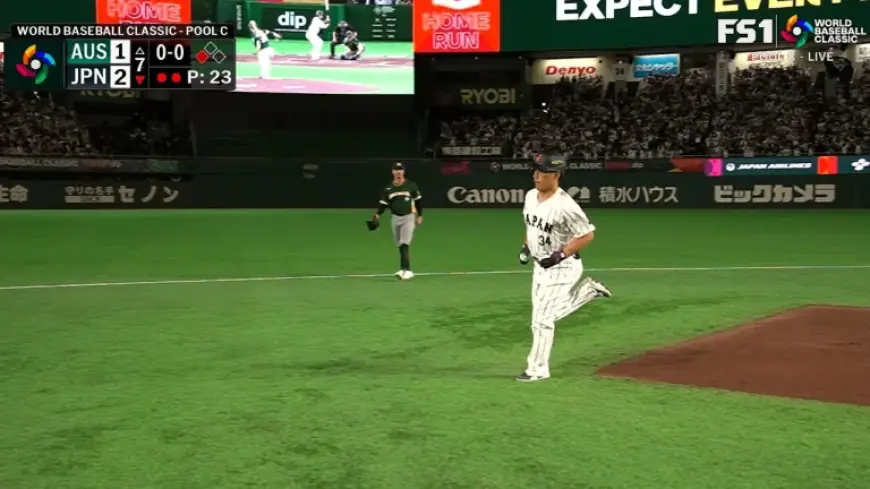
For Japan, the immediate change is that the World Baseball Classic RBI record is back on the table — and masataka yoshida is positioned to be chasing his own mark as the tournament schedule tightens. As of Sunday at 11: 10 a. m. ET, that record watch sharpened after a fresh highlight: a go-ahead two-run homer credited to Masataka Yoshida in Japan’s game against Australia.
The knock-on effect is simple: if Japan keeps advancing and scoring, the counting stats that decide records will stack up quickly, and each remaining game becomes both a win-and-advance step and a chance for Masataka Yoshida to add to a total he already owns from Japan’s last title run.
Masataka Yoshida’s RBI record watch intensifies as Japan’s remaining games narrow
Masataka Yoshida entered this stretch already producing at a record-setting pace. Through Samurai Japan’s games against Chinese Taipei and Korea, he was 4-for-7 with one home run, four RBIs, three runs and one walk. Those early totals matter because they set the trajectory for what comes next: the possibility of pushing past the World Baseball Classic RBI record.
The benchmark is not theoretical. The current World Baseball Classic record is 13 RBIs, and it already belongs to Masataka Yoshida from Japan’s 2023 run to the title, when he played seven games and set the record. The next step is clear: breaking that existing record would require topping a number he has already reached once on the tournament’s biggest stage.
One projection cited in recent coverage underscores the stakes: Masataka Yoshida was described as being on pace for 14 RBIs if Japan advances as far as it did in 2023 — all the way to the championship. Hitting that pace would create a new tournament record.
Japan’s matchup path includes Czechia and Australia, raising the stakes for every at-bat
Japan’s remaining group-stage schedule includes games against Czechia and Australia. The immediate consequence is that Masataka Yoshida’s opportunities — both for RBIs and for impact moments — are tied directly to how those matchups unfold and how far Japan pushes into the bracket.
Czechia has given up 30 runs through three games, a detail that frames how much offense could be available in that matchup. If Japan’s lineup capitalizes, it could create another runway for Masataka Yoshida to add RBIs in bulk.
Australia, meanwhile, was described as undefeated so far, a contrast that raises the competitive temperature. Yet Japan’s offense — and Masataka Yoshida specifically — was described as being “on a roll, ” a setup that helps explain why a single swing like a go-ahead two-run homer carries extra weight in shaping the game state and the tournament narrative.
That go-ahead homer against Australia also carries a practical consequence: momentum moments tend to become the defining snapshots people use to measure a player’s tournament, especially when records are in range.
Samurai Japan’s second-round pressure would make Masataka Yoshida’s RBIs matter more
Past the remaining group games, the next phase would change the meaning of every RBI for Japan. In the second round, Japan would face better teams and the format becomes “win or go home. ” That is the point where production is no longer just about piling up totals — it directly decides whether the record chase continues at all.
That pressure cuts both ways for Masataka Yoshida. A record would be a personal milestone, but the coverage also framed the priority as team success: as cool as breaking the record would be, Masataka Yoshida would likely prefer that Japan simply keeps winning.
For Boston Red Sox fans watching from afar, the tournament consequences extend beyond the World Baseball Classic standings. Masataka Yoshida was described as someone who “seems to play his best baseball when he is playing for Samurai Japan, ” and the hope is that his hot bat carries into the big league season. Still, the immediate focus remains the same: Japan’s next games, and whether they keep the door open long enough for masataka yoshida to push past the RBI record he already set.
The next inflection point will come in Japan’s remaining games against Czechia and Australia; if Japan advances to the second round, the win-or-go-home format will decide how many additional chances Masataka Yoshida gets to add to his RBI total. If Japan reaches the championship round again, the 14-RBI pace cited in coverage would stay in play.