Desalination Plants hit Bahrain after drone damage, as targeting expands

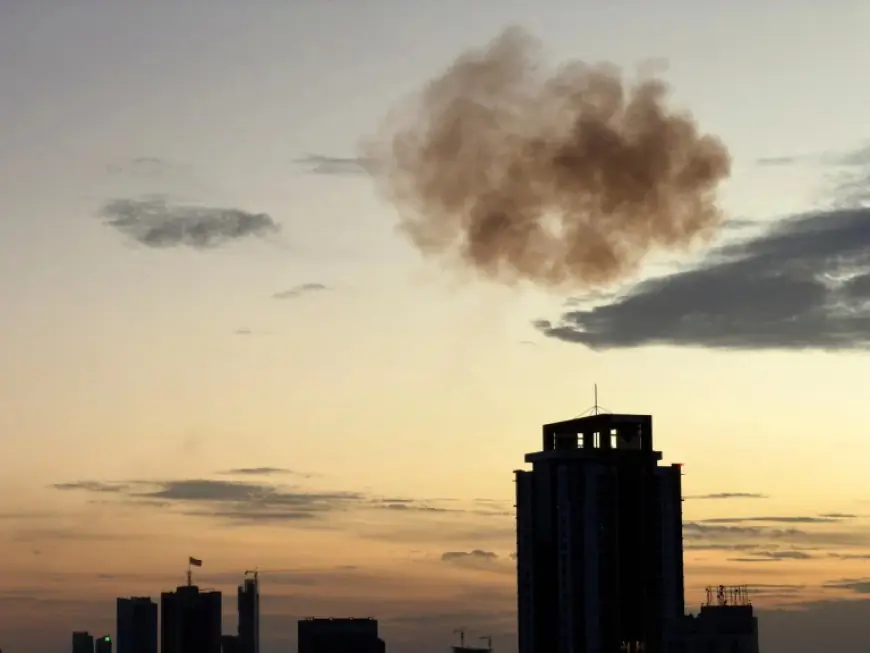
Sunday at 11: 00 a. m. ET, Bahrain’s Ministry of Interior said a drone attack from Iran damaged a water desalination plant, a strike that Bahrain described as an attack on civilian targets. Still, key operational details about the facility’s status and any impact on water availability remained unconfirmed as of 3: 00 p. m. ET, and the next official updates from Bahrain and Iran will determine how far the incident escalates.
Bahrain Ministry of Interior describes damage to Desalination Plants and injuries
Bahrain said the Iranian drone attack on Sunday morning damaged the water desalination plant that processes seawater to supply freshwater to residents. The Bahraini Ministry of Interior described the incident as “randomly” bombing civilian targets, and said the strike caused material damage to the plant.
Separately, Bahrain’s Interior Ministry said three people were injured and a university building in northern Bahrain was damaged when fragments of an Iranian missile fell near the facility. Sirens were activated in the Muharraq area in the morning to alert the public to take shelter, the ministry said. For now, Bahrain has not confirmed in the provided statements whether the damage to the plant has reduced output, disrupted service, or required shutdowns.
That uncertainty matters because Bahrain is estimated to generate the majority of its drinking water from such plants, and Gulf states collectively rely heavily on desalination capacity. The context provided also notes there are approximately 400 plants across Gulf states producing about 40% of the world’s desalinated water.
Iran’s Abbas Araghchi disputes precedent after Qeshm Island plant claim
Iran’s position, as stated publicly by Foreign Minister Abbas Araghchi on Saturday, framed the broader issue as retaliatory and argued the United States set a precedent by targeting desalination infrastructure on Iranian soil. Araghchi said a freshwater desalination plant on Qeshm Island was attacked and that water supply in 30 villages had been impacted.
Bahrain, by contrast, publicly attributed the Sunday damage to an Iranian drone attack and framed it as a strike on civilian infrastructure. The context provided does not include independent confirmation of either side’s claims about who set the precedent, or detailed assessments of physical damage at either site.
Yet the dispute over narrative and precedent is itself now part of the risk: if each side treats water infrastructure as a legitimate target, the next few official actions and statements could widen the category of facilities at risk beyond military sites.
Israel, the United States, and Iran widen pressure as infrastructure gets hit
The conflict described in the provided context has involved airstrikes by Israel and the United States since Feb. 28, and it has rippled across the region. In that environment, Bahrain’s report of damage to a desalination plant landed alongside other confirmed infrastructure-linked incidents across nearby states.
Kuwait’s military said Sunday that its air defense systems intercepted more missiles and drones from Iran and that fuel tanks at Kuwait’s international airport were targeted in a drone attack. Kuwait’s official news agency said a fire at the airport was brought under control and there were no “significant injuries. ” Kuwait’s military also said some civilian facilities sustained material damage from falling fragments and debris from interception operations.
In Iran, the context provided states a late-night Israeli strike on an oil facility engulfed parts of Tehran in smoke on Sunday. Separately, Mohammad Bagher Qalibaf, the speaker of Iran’s parliament, said Sunday that the war’s effect on the oil industry would continue to spiral and warned it could soon become harder to both produce and sell oil, while some regional producers, including in Iraq, have already curbed output amid dangers in the Strait of Hormuz.
For now, the key unresolved issue is whether the Bahrain desalination plant damage becomes an isolated incident or a template for further attacks on water and energy infrastructure across Gulf states. The provided context does not confirm additional strikes on Bahrain’s water system beyond the single plant damage described Sunday morning.
Observable triggers that will clarify the situation:
- A follow-up statement from Bahrain’s Ministry of Interior clarifying the extent of damage and whether water production or distribution has been disrupted.
- Any official Iranian statement addressing Bahrain’s attribution of the drone strike, beyond Iran’s broader claim that the U. S. set the precedent.
- Further confirmed reports of attacks or attempted attacks on desalination, oil, or airport facilities in Gulf states in the next 24 to 48 hours.
In parallel, the wider war remains active. The context provided says Israel renewed attacks in Lebanon, and Lebanon’s health minister said Sunday that 83 children are among the 394 killed so far in the conflict between Israel and Hezbollah over the past week. It also states the war has so far killed at least 1, 230 people in Iran, more than 300 in Lebanon and about a dozen in Israel, officials, and that six U. S. troops have been killed.
The next confirmed event that will move this particular story is the next official update from Bahrain on the condition of the desalination plant and any public guidance for residents. If Bahrain confirms the plant’s output has been materially reduced, additional mitigation steps for water supply are expected to be announced on a defined timeline once authorities quantify the disruption.