7 Innovative Ways to Utilize Smart Sensors at Home

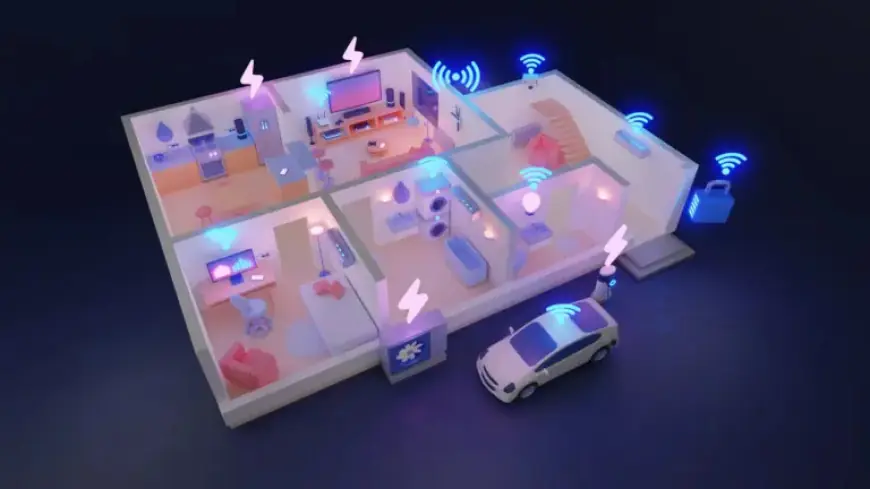
Smart sensors have revolutionized home automation, offering innovative solutions for diverse household needs. From enhancing safety to monitoring energy usage, they provide practical applications that can simplify life.
7 Innovative Ways to Utilize Smart Sensors at Home
1. Interactive Home Mapping
Imagine having a digital map of your home that tracks the location of family members and pets. The Bermuda BLE project employs Bluetooth technology, utilizing low-cost ESP32 boards for this purpose. This setup is particularly beneficial in larger homes. You can expand its functionality by creating an interactive dashboard, allowing lights to react based on room occupancy.
2. Monitoring Pet Activity
For pet owners, understanding your furry friends’ habits can be invaluable. By using presence sensors, you can monitor where your pets go, especially in the kitchen. Combining sensors with Bluetooth beacons on collars helps automate alerts if pets linger in restricted areas.
3. Energy Consumption Detection
Energy monitoring plugs, such as the Eve Energy, can identify when devices are left on. By integrating presence sensors, you can create a countdown timer that nudges family members to power down appliances after a room is vacated. This not only saves energy but promotes responsible habits.
4. Migraine Prediction Alerts
For those prone to migraines, understanding environmental triggers can be crucial. Installing a barometric pressure sensor, like the Tempest Weather Station, allows users to track pressure changes. If a correlation is found, automating alerts for hydration and environmental adjustments can help mitigate symptoms.
5. Cognitive Performance Optimization
Indoor air quality plays a significant role in cognitive function. High carbon dioxide levels can impair thinking. Using smart air quality monitors, like the IKEA Alpstuga, can notify you when CO2 levels rise. Integrating this with smart HVAC systems enhances air circulation when needed.
6. Utilizing Smart Speakers as Sound Sensors
Smart speakers can double as sound sensors, providing an added layer of security. For instance, the Apple HomePod can detect smoke alarms, while Amazon’s Alexa Guard can identify sounds like glass breaking. Such functionalities leverage existing technology to enhance safety without additional costs.
7. Fridge Raid Detection
If midnight snacking is a concern, a simple automation can help. By using a door sensor on the fridge, such as the Aqara P2, you can receive notifications when the fridge is accessed late at night. You can even program it to turn on lights and announce alerts through your smart speaker.
These applications demonstrate the versatile uses of smart sensors in enhancing home management. Implementing these technologies not only promotes efficiency but can also lead to improved safety and convenience.