Feliz Dia De La Mujer 2026: Why phrases and poetry are driving March 8 messages now

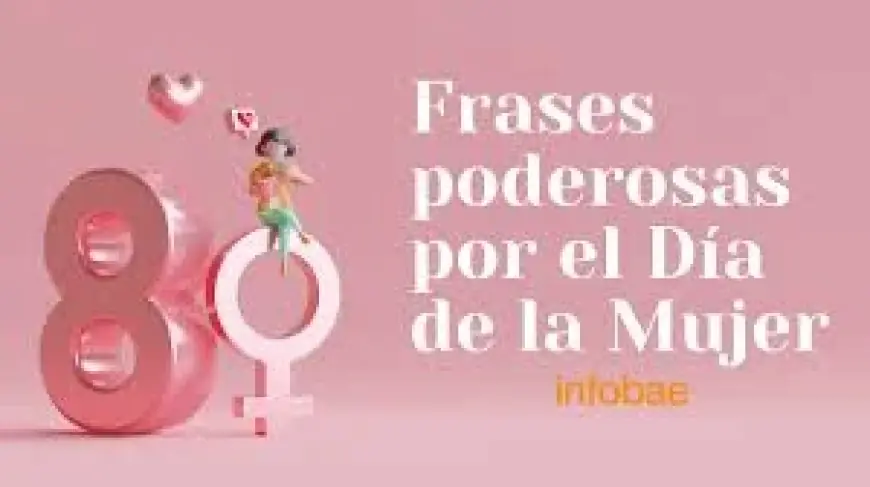
Saturday at 9: 10 a. m. ET, “feliz dia de la mujer 2026” is surfacing as people prepare to mark International Women’s Day on March 8 with shareable phrases, short 8M slogans, and poetry. The timing is driven by the calendar itself: as March 8 arrives, dedications and public-facing messages become a primary way many people choose to participate.
International Women’s Day is observed every March 8 as a date focused on recognizing women’s historical fight for equal rights and their contributions across society. In the lead-up to the day, messaging commonly intensifies online and in personal conversations, with many people sending reflections and words of recognition to women in their lives—mothers, daughters, friends, co-workers, and leaders who have inspired change.
International Women’s Day dedications as “feliz dia de la mujer 2026” searches rise
In recent coverage tied to March 8, the emphasis has been on language that can be shared quickly and widely: a curated set of “powerful” phrases meant for dedications, social media posts, direct messages, or personal notes. The framing is straightforward—phrases function as a symbolic act of recognition, highlighting women’s work, strength, and impact while also pointing to ongoing challenges tied to equal opportunity.
That approach is also rooted in the idea that many people use March 8 to acknowledge not only public figures, but also women in everyday life. The messages are presented as a way to make women’s contributions visible and to express support for causes related to gender equity—particularly in spaces where short text and quick sharing shape what gets amplified.
Coverage of these phrase collections also underscores that, over the years, leaders, thinkers, and activists have left lines that still inspire millions. The core idea is continuity: the same day on the calendar returns each year, but the act of choosing words—what to dedicate, what to post, what to put on a sign—keeps evolving with the audience and the moment.
Poetry in March 8 observances: Sor Juana, Rosario Castellanos, and Elsa Cross
A separate March 8 piece leaned into poetry as a way to align “silences and lines” with the themes of justice, dignity, and reivindication associated with International Women’s Day. The selection highlighted women poets from Mexico, presenting poetry as a channel for memory and dignity to “echo” through words on the date itself.
The writers named span centuries and generations, beginning with Sor Juana Inés de la Cruz from the 17th century. The piece also included Rosario Castellanos, noting that the prior year marked the centennial of her birth. From the 20th century, it referenced Isabel Fraire and included a line on time, and it pointed to Pita Amor with an excerpt from a poem titled “Mi locura. ”
Alongside these literary references, the coverage also noted that celebrations had taken place for the 80th anniversary of Elsa Cross. In this framing, poetry isn’t treated as an add-on to March 8; it becomes part of how the date is narrated—an attempt to match the day’s themes with language built for reflection rather than only slogans.
How 8M phrases and short slogans are being used right now
One reason “feliz dia de la mujer 2026” messaging is taking a distinctly text-forward shape is that phrases are positioned as practical tools for participation. They can be posted on social media, sent by message, or used in a dedication, and they can also serve to make public support visible in a way that is easy to replicate.
In the same spirit, coverage also points to the role of short, sign-ready 8M slogans—brief lines intended for posters and public demands for justice. Even without a single, universal script for what to say on March 8, the trend across these formats is consistent: the day is being marked through words designed to travel, whether in a personal note or in public-facing statements.
The broader meaning attached to the date remains anchored in women’s rights struggles for better working conditions, access to education, political participation, and social recognition. Those themes, repeated each March 8, are also why phrase collections and poetry can sit side-by-side: both are presented as ways to recognize progress while acknowledging that challenges remain.
The next milestone is Sunday, March 8, with International Women’s Day observances expected to drive additional sharing and dedications throughout the day in ET as people post and send messages tied to “feliz dia de la mujer 2026. ”