Iranian travelers face Gulf flight disruptions as US-Israel strikes widen

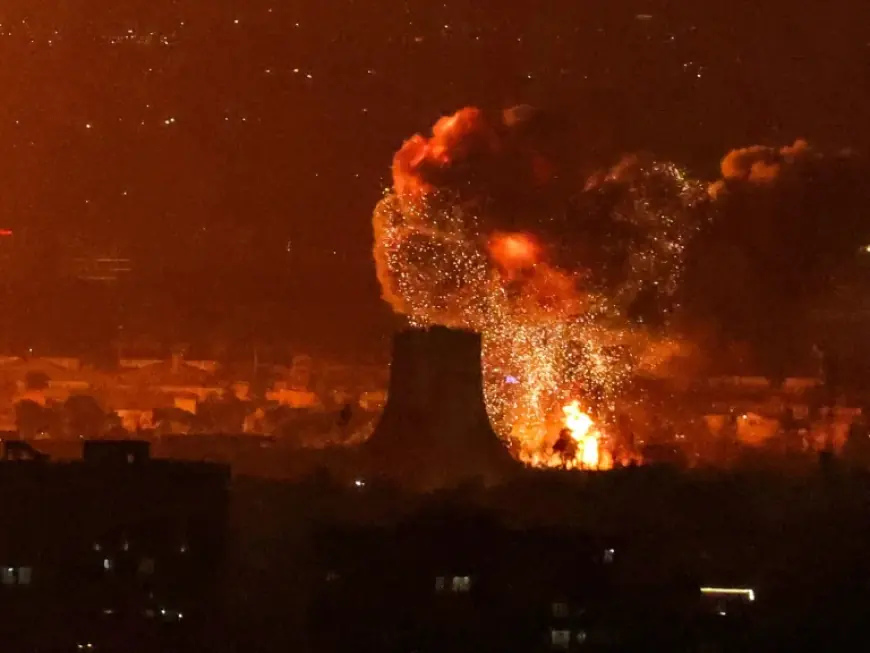
Iranian passengers trying to move through Gulf air routes now face extended uncertainty, with Qatar’s airspace still closed and flight operations temporarily suspended. Saturday at 11: 00 a. m. ET, the United States and Israel continued large-scale strikes on Iran that, for the first time, hit oil storage depots and refining facilities, widening the war’s practical impact beyond the battlefield.
Qatar Airways operations hinge on Qatar Civil Aviation Authority reopening airspace
Travel plans tied to Doha remain constrained because Qatari airspace has been closed, leaving scheduled flight operations temporarily suspended. Qatar Airways said it would resume operations only after the Qatar Civil Aviation Authority announces the safe full reopening of Qatari airspace.
For Iranian travelers and others relying on Gulf connections, the immediate consequence is fewer options and less predictability for routing through the region while the conflict expands into the Gulf. The airline’s message makes the next operational milestone clear: flights do not normalize until the airspace reopens, and the carrier frames that as a safety call to be made by Qatari authorities.
Tehran fuel infrastructure becomes a target as oil depots and refineries are hit
Strikes now extend to energy infrastructure. The United States and Israel, on day nine of the war, struck oil storage depots and refining facilities for the first time, including an attack on an oil depot on Saturday. That shift matters because it broadens what can be damaged or disrupted inside Iran beyond other categories of targets described only as part of large-scale strikes.
The conflict has also widened geographically. The fighting is described as expanding to include the Gulf region as well as Lebanon and Iraq, creating a wider footprint of risk and operational disruption across multiple areas. For Iranian civilians and businesses, the new focus on oil storage and refining facilities signals that key fuel-related sites may be exposed to attacks in ways not previously described earlier in the war’s timeline.
Masoud Pezeshkian’s Gulf pledge collides with ongoing Iranian retaliatory strikes
Iran said the US “will pay for waging war, ” while continuing retaliatory strikes on Israel and on US military assets in Kuwait, Qatar, Saudi Arabia and the United Arab Emirates. That continued activity comes despite Iranian President Masoud Pezeshkian promising on Saturday to halt attacks on Gulf states as long as their territories were not used to attack Iran.
Kuwait and Saudi Arabia reported more attacks as former President Donald Trump said the war would only end when Iran’s leaders “cry uncle. ” Separately, the head of Iran’s National Security Council claimed the US was misrepresenting captures as combat deaths, a dispute that adds to competing narratives surrounding the fighting.
For now, the consequence is a war that is both widening in geography and escalating in the types of sites being struck, with Iranian retaliatory action still spanning multiple Gulf states. The next concrete hinge point named in official airline communication is the Qatar Civil Aviation Authority’s decision on when Qatari airspace can safely fully reopen; if that reopening is announced, Qatar Airways says flight operations would resume afterward.