Sky F1 Tv Guide Explains 2026 Regulations and What They Mean for Teams

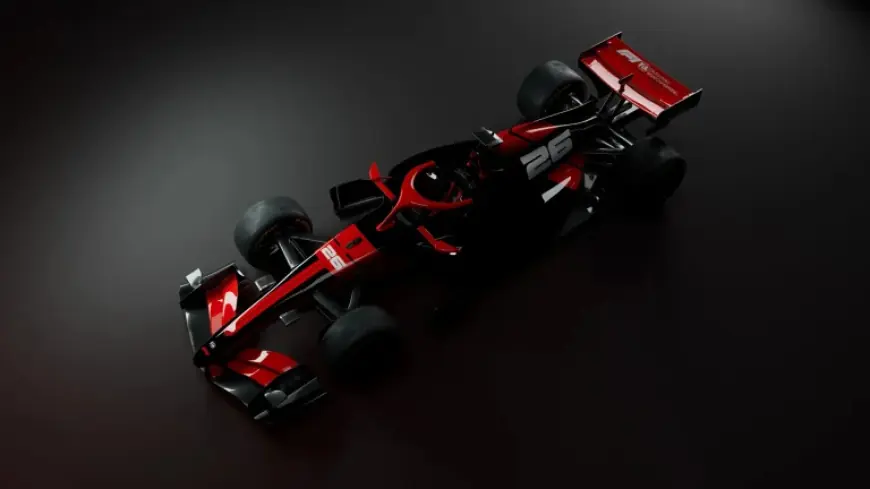
Formula 1’s 2026 regulations shift about half of a car’s power to electrical systems, forcing teams and drivers to rethink when and how they deploy energy on track. Friday at 9: 14 a. m. ET, the sky f1 tv guide roundup links the beginner’s guide to the 2026 regulations, Australian GP qualifying highlights and the Formula One 2026 team-by-team guide to the rule changes that will shape race strategy.
Sky F1 Tv Guide: Key 2026 Regulation Changes on Power Units
The headline change is the new generation of power units that use roughly half electrical energy and half internal combustion, and that run on Advanced Sustainable Fuels. The combined emphasis on electrical deployment and sustainable fuel makes the power unit a central strategic asset for teams named in the team-by-team guide, including Mercedes, McLaren and Red Bull, and for returning suppliers noted in the coverage.
Recharge Mode, Lift-Off Regeneration and Active Aero
Recharge is the primary method for harvesting electrical energy under the new rules, and it can occur when braking, on part throttle, when lifting off early, or during “super clipping” at the end of a straight. Most Recharge is automated and managed by the car’s ECU; the only direct driver control is lift-off regeneration, which allows a driver to Recharge by easing off the throttle but will disable Active Aero devices while in use. Super clipping, in contrast, adds energy while still at full throttle and keeps Active Aero ‘open’.
Boost Button, Overtake Mode and Team Strategy Notes from Melbourne
The Boost Button gives drivers manual control over energy deployment to attack or defend, switching power-unit settings to maximum or to a team-configured profile. That energy can be used all at once or distributed through a lap, and teams will choose profiles based on driver preference and track characteristics referenced in the team-by-team guide. The new Overtake Mode is introduced for 2026 as an additional tool for attacking cars.
Coverage of the Australian Grand Prix and the qualifying highlights highlights how these systems already matter: drivers and teams are testing when to harvest and when to deploy electrical energy, and notes from the season opener include a candid remark after the race that “We are far off where we want to be, ” attributed to Colapinto. Team briefs in the Formula One 2026 guide underline that Mercedes and other frontrunners are tuning deployment strategies alongside car balance and development programs.
For viewers using a compact primer, the sky f1 tv guide approach ties the technical points — half-electric power units, Recharge behaviours, lift-off regeneration trade-offs, Boost Button strategy and the new Overtake Mode — directly to what was seen in Melbourne and to the team profiles that outline car and driver readiness.
Still, the operational trade-offs are concrete: teams must manage a finite amount of electrical energy each lap, choose when to harvest and when to spend it, and accept that some driver-controlled harvesting actions carry aerodynamic penalties. That mix of energy budgeting and aerodynamic compromise is now a core part of setup and race execution under the 2026 rules.
Teams referenced in the team-by-team guide — including Mercedes, McLaren and Red Bull — are already noted for different strengths in the new era. Mercedes is described as having a balanced, well-performing package; McLaren is flagged for bringing development quickly; and Red Bull is credited with energy-recovery and deployment strengths. Drivers mentioned in the guide include Lando Norris, Oscar Piastri, George Russell, Kimi Antonelli and Max Verstappen, each positioned within those team notes.
More technical detail and qualifying highlights remain available in the beginner’s guide and the team-by-team guide, and a further practical explanation of Recharge, Boost and Overtake Mode will be useful for anyone following race strategy as the season develops.
Next confirmed coverage and any full technical briefings tied to race weekends are expected before the next race weekend; more detailed team updates are due before that event at 10: 00 a. m. ET.