China Emphasizes Crucial US Talks Amid Trump’s Targeting of Key Allies

Amid rising tensions and global challenges, China is stressing the importance of dialogue with the United States. The remarks come as both nations prepare for a key summit between Chinese President Xi Jinping and U.S. President Donald Trump scheduled for March 2026.
Wang Yi on U.S.-China Relations
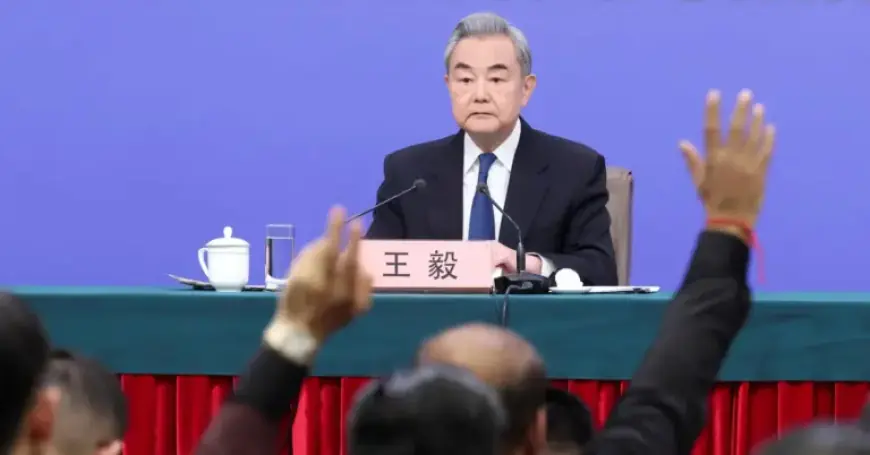
During a recent press conference in Beijing, Chinese Foreign Minister Wang Yi highlighted the necessity of communication between the two countries. He emphasized that a lack of dialogue could worsen misunderstandings, potentially leading to conflict and negatively impacting global stability.
- Date of Press Conference: March 8, 2026
- Location: Beijing, China
Wang pointed out that the agenda for the leaders’ meeting is prepared, but both sides must create a conducive environment for addressing their differences. He refrained from providing additional specifics about the agenda.
Global Context and Challenges
The backdrop for these discussions includes U.S. military actions in Iran and Venezuela. Analysts are closely monitoring these developments, which could influence the dynamics of the forthcoming summit. As part of these tensions, Donald Trump approved military actions against Iran, while also sanctioning the capture of Venezuelan President Nicolás Maduro earlier this year.
Wang expressed concern over the ongoing military operations in Iran, asserting that such actions are not solutions to conflict. He reiterated China’s longstanding condemnation of military aggression.
Competing Strategies: ‘Donroe Doctrine’ vs. Belt and Road Initiative
Trump’s foreign policy, particularly his reinterpretation of the “Monroe Doctrine” to reinforce U.S. influence in the Americas, faces challenges from Xi’s extensive Belt and Road Initiative. This program represents China’s substantial investment in global infrastructure and economic partnerships.
- Key Policies:
- Trump’s “Donroe Doctrine”: Aims to assert U.S. influence in Latin America.
- Xi’s Belt and Road Initiative: Focuses on international cooperation and development.
Experts note that the competition between these two strategies could escalate international tensions, especially as both leaders navigate their nations’ respective interests in Latin America and beyond.
Asia’s Stability and China’s Role
In his remarks, Wang cautioned against a return to aggressive power plays that could destabilize Asia. He criticized U.S. policies that could lead to increased tensions and emphasized that maintaining regional peace requires cooperative strategies rather than unilateral military action.
He also underscored the difference between military might and reasoned diplomacy, stating that the international community must avoid the “law of the jungle” mentality.
The upcoming summit between Xi and Trump will be pivotal in shaping future U.S.-China relations and addressing pressing global issues. Observers continue to wait for further details on the meeting’s agenda as tensions persist.