China’s Stance Tightens Trade Risks for Asia Amid War Iran Israel Escalation

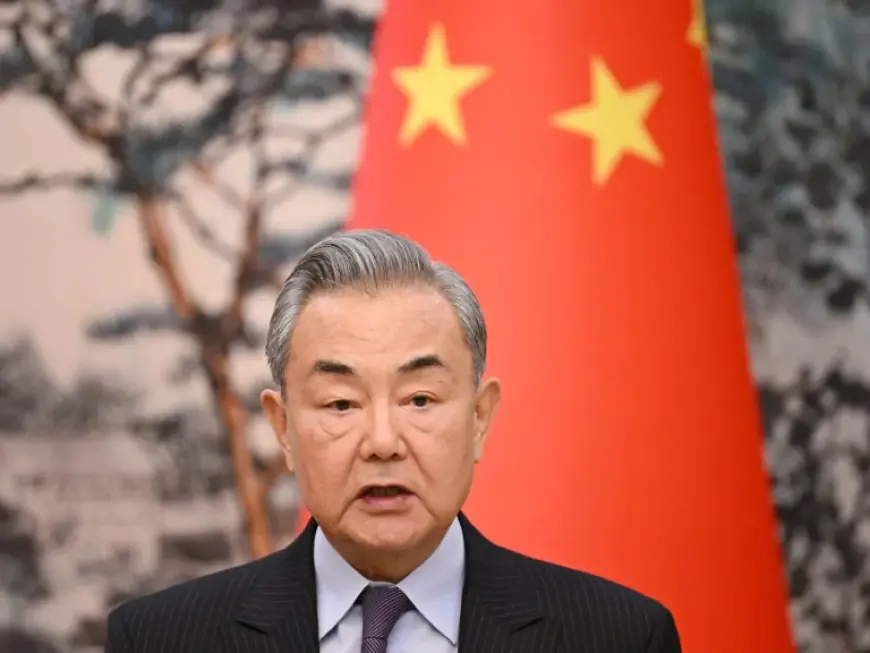
Beijing now faces immediate energy and investment pressure that could reshape its trade and project timelines as the war iran israel puts regional shipping and Gulf capital at risk. 9: 14 a. m. ET — China’s Foreign Minister Wang Yi urged an “immediate stop to military operations” and pressed for respect for Iran’s sovereignty, tying Beijing’s response directly to the escalating violence.
War Iran Israel: China Lowers Growth Target and Confronts Energy Constraints
China has enough oil supplies for several months, a buffer that narrows the window for its policymakers to respond if the war iran israel continues to disrupt Gulf flows, the assessment published in the provided reporting. That short-term cushion matters because Beijing lowered its annual economic growth target this week to the lowest level since 1991, signaling limited fiscal headroom to absorb prolonged energy-price or trade shocks.
For longer-term projects, the 25-year strategic partnership signed in 2021 between China and Iran — which included a promise of $400 billion in investment — is now at greater risk of delay or disruption if Gulf instability persists, placing Chinese investments in the Middle East under strain.
Wang Yi Urges Respect for Iran’s Sovereignty and Calls for Halt to Fighting
Wang Yi told a news conference that efforts to force government change in Iran would find no popular support and that the sovereignty of Iran and all countries should be respected; he also demanded an “immediate stop to military operations” to prevent escalation and spillover. Wang framed armed conflict as counterproductive, saying force provides no solution and warning against a return to what he called the “law of the jungle. “
Beijing has condemned the killing of Iran’s Supreme Leader Ayatollah Ali Khamenei, and Wang said China stands ready to work with regional countries to “restore order to the Middle East, calm to its people, and peace to the world, ” underscoring a diplomatic posture focused on negotiation rather than regime change.
Trump Statements and Israeli Military Warnings Deepen Diplomatic Strain
The Israeli military warned it would pursue every successor and every person who seeks to appoint a successor for slain supreme leader Ayatollah Ali Khamenei, a declaration that raises the stakes for regional actors and for countries with major interests in the Gulf. That announcement followed reporting that Iran’s clerical body has more or less reached a majority consensus on the body that will choose the next supreme leader.
U. S. President Donald Trump has publicly asserted aggressive outcomes for Iran and criticized allies for their responses, straining relations with Britain as the UK’s foreign secretary Yvette Cooper emphasized independent judgment and said the UK is providing defensive support in the conflict. Those diplomatic rifts could complicate coalition management even as military statements escalate the situation on the ground.
Still, assessments in the available reporting note limits to what military offensives can achieve: a classified National Intelligence Council report summarized there suggests even a large-scale U. S. military offensive would be unlikely to overthrow Iran’s military and clerical power structure, undercutting expectations that outer pressure will quickly reshape Iran’s internal balance.
More immediate reactions will come into focus at the large meeting of thousands of Communist Party delegates in Beijing this week, where China’s leadership is weighing economic and strategic responses; no specific time or date was provided in the reporting. If China’s oil supplies hold for several months, Beijing can defer turning to alternative suppliers such as Russia for that period — but if those reserves are exhausted sooner, shifts in trade and investment flows would likely accelerate within months.