Herzog Brings Ghost Elephants to Wider Audiences With New Documentary Premiere

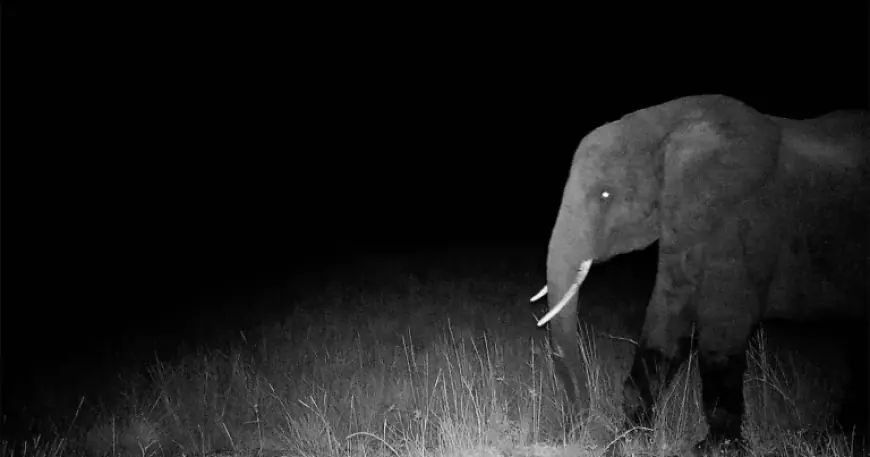
Starting March 7, viewers will get a far clearer view of Angola’s elusive “ghost elephants” and the people searching for them; March 7, 2026 at 9: 00 p. m. ET marks the documentary’s premiere. The film follows National Geographic Explorer and conservation biologist Steve Boyes and is directed by herzog, moving decades of fieldwork and tribal tracking into a mainstream release.
Herzog’s film makes decades of field evidence visible to general audiences
Audiences will see fresh field evidence from southeastern Angola that Boyes has collected over years in the highlands, including fresher dung and tracks that indicate recent elephant movement. The documentary captures the highland elephants’ rare behavior — moving at night or in twilight and inhabiting elevations near 4, 000 feet — details Boyes has documented during repeated expeditions.
Steve Boyes and KhoiSan trackers gain a wider platform for conservation storytelling
The film brings Boyes’ decade-long search and the work of a trio of KhoiSan master trackers — Xui, Xui Dawid, and Kobus — to a broad audience, showing ritual dances, tracking techniques, and encounters with local leaders. Boyes and fellow National Geographic Explorer Kerllen Costa appear on screen alongside these trackers, extending their on-the-ground narratives beyond expedition reports to filmed cultural scenes.
Angola’s war history and shrinking elephant populations become part of public record
The documentary ties the elephants’ elusiveness to Angola’s 26-year civil war (1975-2002), noting that the conflict is estimated to have taken 800, 000 lives directly and uprooted four million people. It frames how wartime ivory hunting reduced elephant numbers — an estimate cited in the film places elephant losses in the 1980s as high as 100, 000 — and a 2015 survey that found roughly 4, 000 elephants remaining in southeast Angola.
Still, the film presents Boyes’ belief that some highland herds may be direct descendants of historically large specimens; Boyes has long suggested links to a famed specimen known as “Henry, ” described in his research as a 12-ton, 14-foot-tall African elephant hunted in Angola in the 1950s. The documentary also includes striking underwater footage of elephant feet moving through water and elephants swimming on their sides, material Boyes captured in the field.
That said, Herzog’s storytelling stretches beyond pure science: the director films rituals and local myth, including a ritual elephant dance in which a tribal elder enters a trance so the spirit of the elephant can enter his body, and material on traditional hunting tools such as poisoned arrows. Herzog met Boyes initially at a Beverly Hills restaurant and later visited him in Namibia, a meeting that the director said led to a project he felt like “the hunt for Moby Dick, the White Whale. “
For now, the immediate change is simply access: the film’s debut moves first-hand tracking, cultural rituals, and the history of Angola’s elephants from specialist circles into homes National Geographic and Disney+. Premiere coverage notes that Ghost Elephants debuted at the Venice International Film Festival last summer and is now coming to these outlets for a wider audience.
What could reverse or accelerate the film’s effect is audience reach and response: the confirmed next event is the documentary’s premiere on March 7, 2026 at 9: 00 p. m. ET. If the premiere draws a sizable audience, Boyes’ filmed evidence and the trackers’ testimony could reach many more viewers in the months following, increasing public visibility of Angola’s ghost elephants and the cultural practices documented in the film.