Residents and Government Workers Exposed as Kuwait City Tower Is Engulfed by Fire

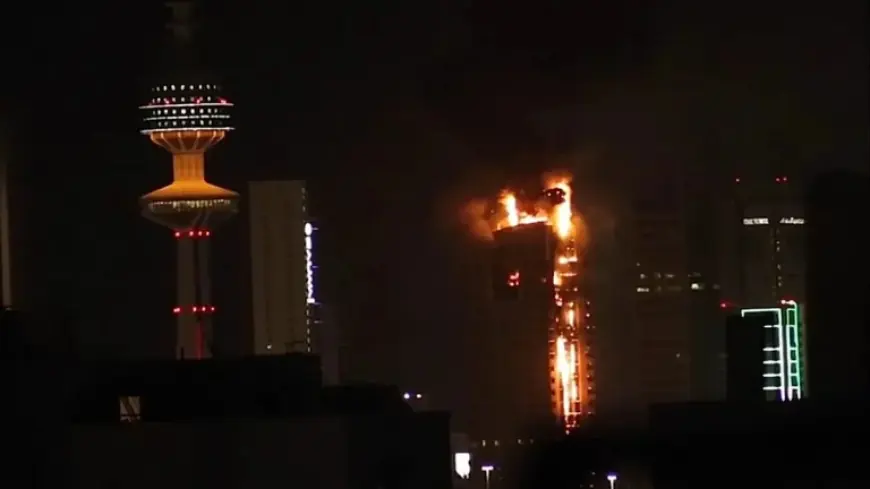
Residents, government staff and nearby businesses faced evacuations, heavy smoke and material damage when the kuwait city tower was engulfed in flames; Sunday at 2: 00 a. m. ET the building was struck during drone attacks that targeted government sites, the Public Institution for Social Security says.
Public Institution for Social Security: Evacuations and Material Damage Reported
The Public Institution for Social Security says its main premises in Kuwait City were targeted, resulting in material damage to the building and forcing evacuations of workers and visitors. The department posted the assessment on social media, noting the site sustained visible damage after the strike on the government building.
Emergency responders worked amid thick smoke in the early hours of Sunday as flames tore through the government tower; local officials described the scene as a major blaze centered on the Public Institution for Social Security’s main site. For now, there are no further casualty figures or definitive damage totals released by the department.
Kuwait City Tower Fire Linked to Drone and Missile Attacks Across the Gulf
Local authorities and witnesses described the kuwait city tower fire as one of several incidents across the Gulf during the same period of intensified hostilities. Missile and drone attacks were reported across the region as the war in the Middle East entered its second week, with multiple facilities and sites struck in separate locations.
In Kuwait, the tower blaze followed a wave of drone attacks on the Gulf state in the early hours of Sunday; the government site was among the targets. The strikes that hit the Public Institution for Social Security are part of a series of aerial assaults affecting multiple countries in the area.
Tehran and Beirut Blazes Demonstrate Wider Regional Impact
Elsewhere in the region, intense aerial bombardment struck oil depots in Tehran, where a huge blaze engulfed the Aqdasieh fuel depot and spilled onto nearby streets, leaving residents waking up to a blackened sky from thick smoke. Footage verified from Tehran showed flames and burning along Koohsar Boulevard, with witnesses saying shops and homes were on fire.
In Lebanon, an Israeli strike on a hotel in central Beirut killed four people, the Lebanese Health Ministry says; responders inspected damage at a Ramada Hotel after the attack. Israel also said it struck “key commanders” of the Lebanon Corps of the Quds Force and warned residents in the southern suburbs of Beirut to evacuate as operations continued.
Regional military moves and alerts extended to other locations: a rocket trail from a missile lit up the night sky above Netanya in Israel, triggering air-raid sirens, while defense postures in allied countries shifted in response to the cross-border strikes.
International Military Readiness and Political Reactions Are Intensifying
Political leaders responded as the attacks spread. U. S. President Donald Trump accused U. K. Prime Minister Keir Starmer of seeking to “join wars after we’ve already won” and said that U. K. aircraft carriers were not needed; the comments came as the British aircraft carrier HMS Prince of Wales was placed on advanced readiness. Those moves reflect a wider uptick in military preparedness linked to the recent strikes across the Gulf.
That said, the sequence of strikes in multiple capitals — from Kuwait City to Tehran and Beirut — underscores how civilian infrastructure, government operations and hotels have been directly affected by the escalation. In Tehran, multiple explosions were reported near oil depots, and in Kuwait a government tower was left smoldering after drone strikes hit the Public Institution for Social Security.
For residents near the kuwait city tower and other struck sites, the immediate consequences include displacement from offices or homes, potential interruptions to government services housed in affected buildings, and ongoing air-quality and safety concerns from persistent smoke and structural damage.
Officials in the affected countries have not released a consolidated timeline for repairs or service resumptions; local authorities continue on-site assessments and firefighting efforts where fires persist.
If the Public Institution for Social Security’s technical review confirms targeted damage to its main premises, authorities say they will release a detailed damage assessment and outline the timeline for restoring services and access.