U.S. faces weapon shortages and oil risk, analysts warn — The Times

March 8 at 9: 00 a. m. ET — Military planners and consumers now must prepare for tighter U. S. weapons inventories and a higher chance of near-term oil-price spikes, a direct consequence of the widening West Asia war noted by Donald Trump and analysts; the times headline on Britain’s delayed aid sharpened political stakes.
Donald Trump’s timeline and the immediate strain on U. S. munitions
U. S. planning faces a shorter runway: Donald Trump has previously said the war could last four to five weeks, and national security commentary warns American high-end weapons stockpiles are depleting as operations intensify. Six U. S. soldiers have been killed in the campaign so far, an immediate operational cost that officials must account for when reallocating munitions and logistics.
The Times: 22 Iranian sailors discharged under heavy security in Sri Lanka
Humanitarian and security burdens have shifted to regional partners: 22 Iranian sailors were discharged under heavy security and sent by ambulance to the Sri Lanka Air Force facility at Koggala outside Galle, while 10 remain under treatment. Separately, Sri Lanka evacuated 208 crew members from an Iranian navy vessel after the sinking of another ship, and earlier reporting notes that as many as 87 died when the IRIS Dena was sunk; those casualty and evacuation figures change where and how aid is concentrated.
Assembly of Experts progress and new Israeli strikes on Iran
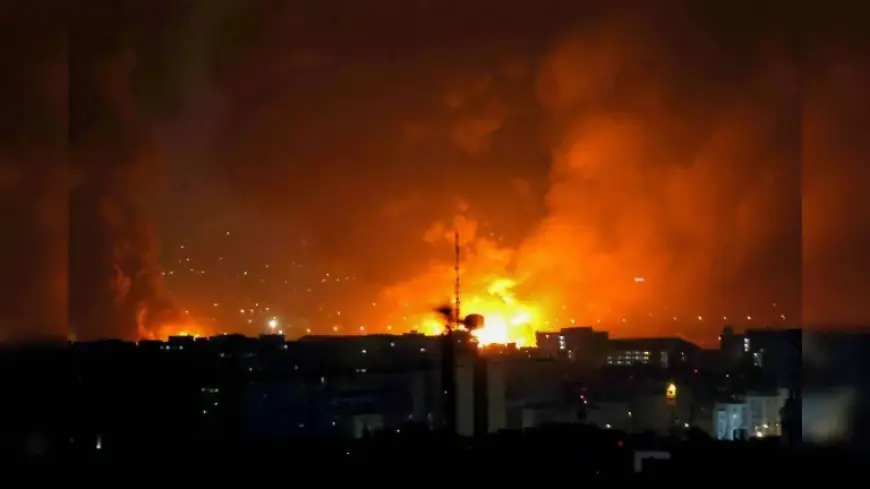
Political leadership in Tehran may be nearing a decision as members of the Assembly of Experts signaled movement: Ayatollah Mohammad-Mahdi Mirbagheri said a “decisive and unanimous opinion” had been reached, and Hojjatoleslam Jafari expressed hope that all Iranian people will be satisfied. At the same time, the conflict’s military footprint expanded — Israel says it struck Isfahan Airport and destroyed F-14 fighter jets — and Iran has reported heavy casualties, with 1, 332 people killed in Iran in the recent round of attacks.
Still, the headline that British help was “too late, ” run in the times, has intensified domestic U. S. political pressure by framing allied responses as delayed and raising questions about coalition timing and burden-sharing.
That said, the policy calendar now centers on a near-term operational milestone: U. S. officials have set objectives to control Iranian airspace, with planners expecting those objectives to be completed within weeks. If U. S. objectives are completed on schedule, control of Iranian airspace could be achieved within four to six weeks and reduce the tempo of some strikes; if those objectives slip, munitions demand and oil-market volatility are likely to rise within the same timeframe.