Ramadan Calendar 2026: U.S. prayer timings face DST clock-change disruption

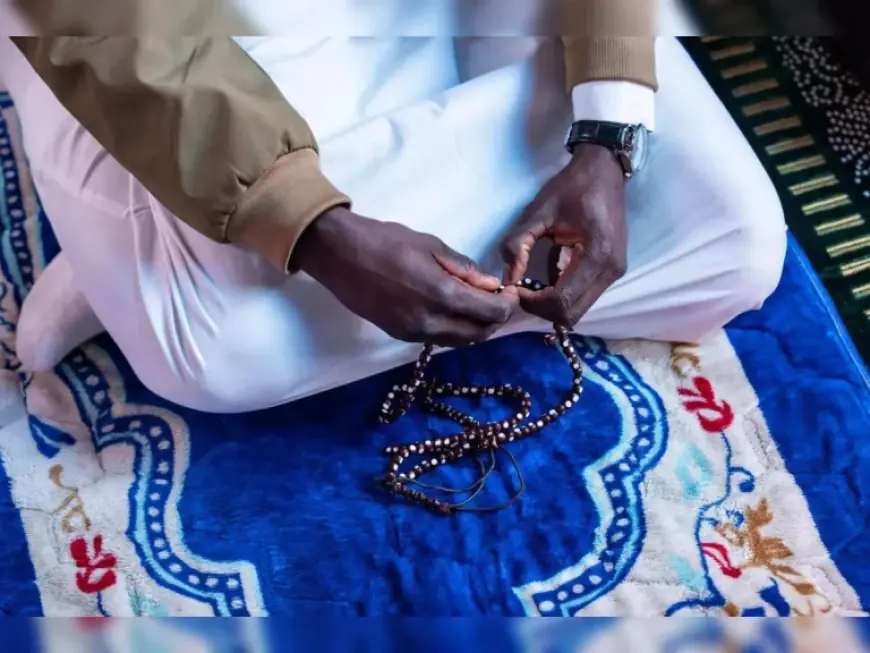
Muslims in the United States who rely on precise daily schedules for fasting and prayer could see their routines shift when clocks change, a timing concern that affects planning for ramadan calendar 2026. Sunday at 9: 00 a. m. ET, new attention focused on how Daylight Saving Time in 2026 can alter the listed times many families and communities use to structure Ramadan days.
Ramadan Calendar 2026 schedules in the U. S. could shift with the clock change
For U. S. households and congregations that follow posted daily Ramadan timetables, the practical impact is simple: a clock change can move the listed times people use for daily observances. That matters because these schedules are time-specific, and even a one-hour shift can require immediate adjustments to routines built around the day’s timing.
In the U. S., Daylight Saving Time is a predictable calendar event, but its effect on religious timing can still catch people off guard when Ramadan overlaps with the change. Planning for meals, work schedules, school mornings, and community gatherings often depends on the same time references that shift when clocks move forward or back.
Still, the emphasis for many communities is on preparation: reviewing schedules early, confirming the timing format being used, and recognizing that a U. S. -wide clock change can affect how Ramadan timings are read and followed from one day to the next.
Daylight Saving Time 2026 raises timing questions for Ramadan observances
The immediate trigger for the renewed focus is the U. S. clock change itself and what that means for Ramadan timings in the United States. The central issue is not a change to Ramadan, but a change to the clock that can alter how daily times are displayed on calendars and in personal schedules.
Because Daylight Saving Time changes the local clock time, the timing people see on daily schedules can appear to jump relative to the day before, requiring a quick reset for anyone following a printed or saved timetable. In practice, that can affect how individuals interpret the day’s times if they do not account for the clock change.
For now, the key point for readers tracking ramadan calendar 2026 is that the clock change is a separate event with real-world scheduling consequences, particularly when observances rely on exact local times.
A separate 2026 Ramadan timing note: a rare event not expected for 31 years
A second timing-related theme drawing attention to Ramadan in 2026 is a “rare Ramadan 2026 event” described as something that “won’t happen again for 31 years. ” The details of that rare event were not provided in the available context, but the headline framing underscores that timing and the calendar are unusually central to how many people are thinking about Ramadan next year.
That combination—an unusual calendar-related note alongside the practical effects of Daylight Saving Time—puts added focus on how people read and use published schedules. Even without more specifics on the rare event, the message for planners is that 2026 may require extra care when interpreting timings and organizing daily routines around them.
If official guidance or scheduling resources clarify the rare Ramadan 2026 event and its implications, that information would be expected to shape how communities finalize their plans after the Daylight Saving Time change is accounted for.