Womans Day Faces Criticism as Many Call It Corporate Tokenism Today

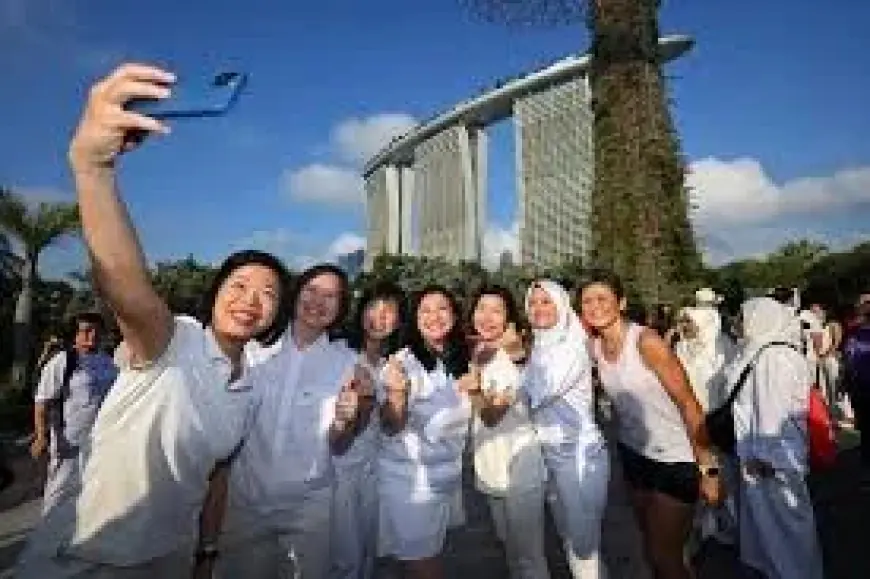
Thursday at 9: 00 a. m. ET, debate over womans day intensified as everyday women described International Women’s Day events as corporate tokenism. That backlash is happening now because the day is being marked by visible corporate events and social media campaigns, prompting women such as Joan Soap and Claire Ronan to question whether the day advances real equality.
Womans Day Critiques From Joan Soap and Working Women
Joan Soap emerged as a shorthand in recent coverage for the average woman who is skeptical of public celebrations. Some women asked simply, “When is it?” while others dismissed the observance as “another bloody hallmark nonsense day. ” Valerie called it “a load of nothingness, ” and Lynda said it was “not even on my radar. ” Those remarks reflect a strand of sentiment that the day often fails to reach mothers, carers and working-class women.
Claire Ronan and the Corporate Push Driving Today’s Debate
Claire Ronan captured a common criticism when she said the day “smacks of tokenism, ” urging a focus on equal pay and fair promotion instead. Others echoed that social media and corporate events present a polished image—mini marathons and business profiles—that do not address the motherhood penalty, gender-based violence or the persistent gender pay gap. Denise quipped that International Women’s Day has become “the day men ask when is their day, ” while Emma said little practical change follows the online celebrations. For many, the disconnect between high-profile panels and everyday unpaid work is stark.
May 3rd Mention and Other Recent Highlights by Name
Coverage juxtaposed the fuss over International Women’s Day with other marked dates and developments, including a reference to World Press Freedom Day on May 3rd. Separate commentary noted national milestones elsewhere, pointing to Singapore’s establishment of a national space agency led by Ngiam Le Na as an example of concrete institutional change rather than symbolic observance. That contrast—named events and leadership changes versus recurring celebration days—frames why some women see the present moment as a test of whether the day will translate into policy or remain promotional.
Organizers and corporate hosts are responding with a mix of events and messaging aimed at visibility, while many everyday women remain unconvinced that visibility equals progress. Siobhán said she has told managers she does not want to “shatter glass ceilings, ” adding “I am already shattered, ” and Lilian noted that the same voices often speak to the same audiences, leaving others out. The conversation now centers on whether companies will pair celebration with measurable action on pay and childcare access.
More details expected 5: 00 p. m. ET. If organizers publish new commitments or concrete policy proposals by then, coverage will note changes in the conversation by 5: 00 p. m. ET.