Iran Israel Strikes widen targets, raising risks across Tehran, Kuwait and Bahrain

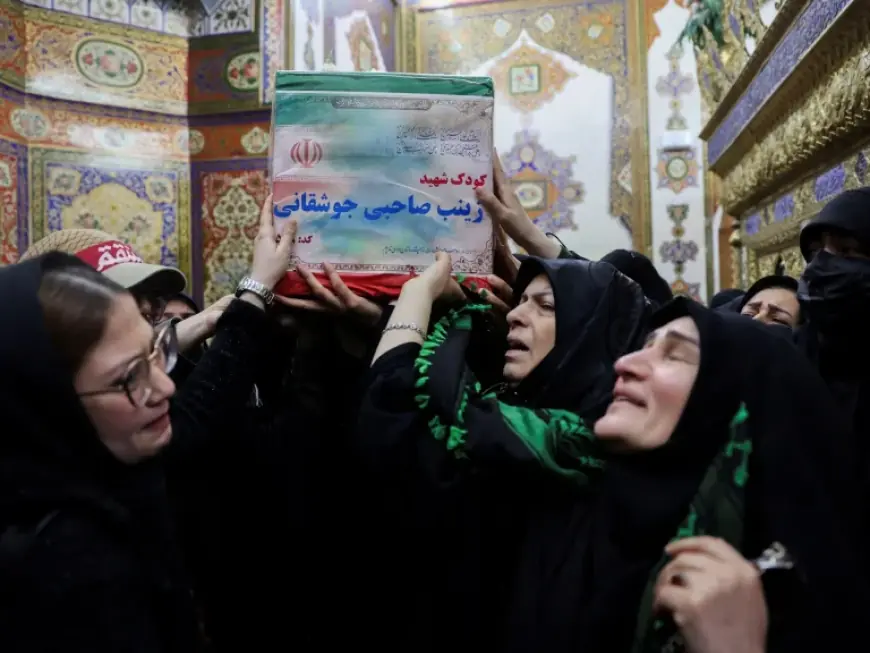
Starting Sunday, residents from Tehran to Bahrain face a higher likelihood of air-raid alerts and disrupted daily life as iran israel strikes expand in scope and the U. S. and Israel vow more attacks. By Sunday morning ET, authorities in Bahrain were directing people to seek the nearest safe location as sirens sounded, underscoring how quickly the conflict’s danger zone is spreading.
Israel’s military confirmed a new wave of attacks that included strikes in Tehran, while Gulf states described missile and drone threats they said were coming from Iran. U. S. President Donald Trump also signaled further targeting of Iranian officials in a social media post warning that Iran would be hit “very hard. ”
Tehran neighborhoods hit as Israel confirms new wave of attacks
The most immediate change is in Iran’s capital itself: multiple neighborhoods in Tehran’s east and southwest were hit by airstrikes Saturday night, with an oil storage facility also struck. Israel’s military confirmed the new wave of attacks and separately said it had begun another wave of strikes targeting Iranian government infrastructure across the country.
Still, the clearest consequence for civilians is a broader set of locations that can be hit with little warning. The strikes described in Tehran came as the U. S. and Israel vowed more attacks, tightening the window for residents to plan movement, seek shelter, or secure basic needs.
Bahrain sirens and Kuwait fires mark widening Gulf spillover
In the Gulf, official warnings moved from general caution to urgent instructions. Sirens sounded in Bahrain on Sunday morning, and authorities told residents to head to the nearest safe location.
Kuwait’s Defense Ministry said its forces were repelling more drone and missile attacks early Sunday, while authorities urged residents to remain in safe locations as the country responded to a missile attack. State-run television also reported more sirens across Kuwait ahead of an attack.
The spillover also showed up as damage on the ground: firefighters were battling fires Sunday morning at fuel tanks at Kuwait International Airport and at a government high-rise building in Kuwait City, the state-run Kuwait News Agency said.
Kuwait’s Interior Ministry also announced the deaths of Lt. Col. Abdullah Imad Al-Sharrah and Capt. Fahd Abdulaziz Al-Majmoud, saying they were killed “while performing their national duty, ” without elaborating on the circumstances. They were the latest war-related deaths in Kuwait since the U. S. -Israeli conflict with Iran erupted on Feb. 28, after two troops and a child were killed last week.
Iran Israel Strikes drive evacuations and broaden fronts in Beirut
Beyond immediate security alerts, iran israel strikes are accelerating evacuations and expanding pressure points across the region. Japan’s Foreign Ministry said 13 Japanese people and one foreign national left Tehran by land for Baku, Azerbaijan, in a second operation following two other evacuations last week. The ministry also said more than 170 Japanese citizens had fled from nearby Kuwait, Dubai and Abu Dhabi, traveling back to Tokyo on charter flights arranged by Japan’s government from Saudi Arabia or Oman, with some expected to arrive later Sunday.
Israel also widened its military activity in Lebanon. The Israeli military struck multiple areas in Beirut’s southern suburbs after it said it was launching a series of strikes on Hezbollah infrastructure. No injuries were immediately reported in the strikes early Sunday, and tens of thousands of people had already fled following Israel’s evacuation notice for all of the city’s southern suburbs.
Separately, a report from central Beirut described a strike in Raouche, a traditionally Sunni neighborhood, after strikes in Christian and majority Druze areas. Israel said it was targeting Hezbollah fighters living among their support base in Lebanon’s Shia community, but the widening geography was described as intensifying fear across the country and increasing suspicion and tension tied to hosting displaced people.
For now, the next near-term trigger is the continuation of air defenses and announced strike waves: the UAE’s Ministry of Defence said its air defenses were responding to incoming missile and drone threats from Iran and that sounds heard in the country were the result of interceptions. If sirens and interception activity continue into Sunday in Bahrain and Kuwait, official guidance to shelter in place is likely to remain the dominant instruction for residents through the morning in ET.