F1 Start Time Uk: Australian GP Confirmed as Ferrari’s Launch Edge Remains Unresolved

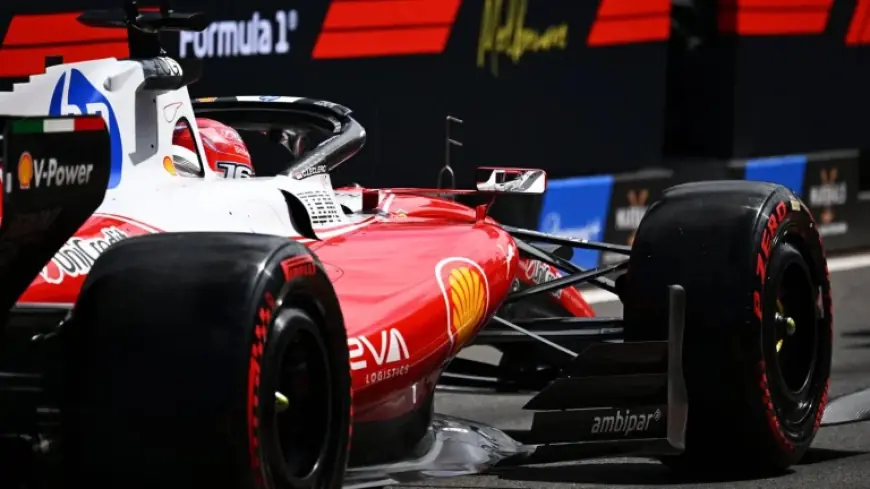
Sunday at 4: 00 a. m. ET — The Australian Grand Prix will run with the 2026 cars on track and a heavy spotlight on the opening moments; f1 start time uk planning and Charles Leclerc’s comments shape the story, but whether Ferrari’s practice getaways will decide position changes into the first corner is unresolved.
FIA Confirms Five-Second Pre-Start Procedure for Australian Grand Prix
The FIA confirmed a new five-second ‘pre-start’ procedure that will occur at the end of the formation lap and precede the traditional five-red-lights start sequence. This confirmed process will have all grid panels flash for five seconds to give drivers a fixed window before the lights go out. The change is a formal alteration to the starting sequence for the Australian Grand Prix and is intended to accommodate the technical characteristics of the 2026 cars.
Ferrari’s Practice Getaways, Charles Leclerc’s Take on Starts
Ferrari noticeably aced practice starts during Bahrain testing, and Charles Leclerc qualified fourth for the Australian grid while Lewis Hamilton qualified seventh; George Russell and Kimi Antonelli locked out the front row in qualifying for Mercedes. Still, it is unconfirmed as of Sunday at 4: 00 a. m. ET whether Ferrari’s testing advantage will translate into decisive race launches in Melbourne. Leclerc said reaching an “optimal window for the start” looked easier for some cars in testing, and Isack Hadjar shares row two with Leclerc for the race, which keeps the opening laps a focal point for position shifts.
F1 Start Time Uk: Turbo Changes, MGU-H Removal and the Start Sequence
The 2026 power-unit configuration removes the previous MGU-H electrical motor, leaving the turbocharger to rely on exhaust energy to reach full boost; that technical change explains why drivers now must rev engines higher and for longer before accelerating. Race engineers and drivers face turbo lag because the turbo delivers maximum boost only when spinning at high speed — around 100, 000rpm in the design described in pre-season explanations — and the time needed to spin the turbo up is why the FIA trialed the pre-start during the second Bahrain test and will replicate it from Australia onwards. Yet, teams will need to master the balance of revs, clutch release and turbo readiness under the new sequence, and f1 start time uk details will matter for how teams schedule their grid preparation and driver briefings.
That said, Mercedes’ qualifying performance places Russell and Antonelli in a position to control the early phase from the front, while Ferrari’s smaller turbo design was highlighted as taking less time to spin up in testing notes — a confirmed engineering detail that underpins Ferrari’s stronger getaways in practice.
Still, multiple elements remain unconfirmed as of Sunday at 4: 00 a. m. ET: whether drivers across the field can consistently hit their optimal rev windows under race pressure, whether the five-second flashing panels will reduce variability seen in Bahrain starts, and how pit-stop performance will interact with early-race position changes during the 58-lap contest.
The next confirmed, scheduled broadcast window and team activity begins with race build-up at 2: 30 a. m. ET on Sunday and culminates in the race start later in the build; that pre-race coverage is the first confirmed public opportunity to see how teams execute the new pre-start in race conditions. If Ferrari’s testing advantage converts into consistently faster launches on race day, they are expected to gain places into the first corner early in the 58-lap race.