Washington Dc Reaction: President Signals Expectation of Casualties After Strikes on Iran as Regional Barrages Send Israelis to Shelters

The president told interviewers that “we expect casualties” after U. S. military actions against Iran that left U. S. service members dead and wounded, a development that has prompted retaliatory missile barrages that forced Israelis into shelters and drawn international condemnation. washington dc officials are now confronting a fast-moving crisis with immediate human costs and uncertain next steps.
Washington Dc Response and the Military Toll
In the wake of the military operation, the U. S. military announced that three U. S. service members were killed and five were wounded. The president characterized casualties as expected when large-scale operations take place and described the campaign as being “ahead of schedule. ” He also said that the operation was a joint effort with another partner.
The president framed the strikes as aimed at dismantling senior Iranian leadership and defended continued action unless certain conditions are met. He noted that Iranian officials have expressed a willingness to talk with the United States but did not name any interlocutors or detail the topics under discussion. The president said he could consider pausing strikes if those officials could “satisfy us, ” but added that to date they have not been able to do so.
The administration has not delivered a public, detailed briefing to the American people since an early video address in which the president urged citizens of Iran to seize the moment politically. Recent statements from the White House show a posture that combines readiness for continued operations with limited public disclosure; washington dc audiences are being urged to track official updates as the situation evolves.
Life Under Missile Barrages: Israelis Rush to Shelters
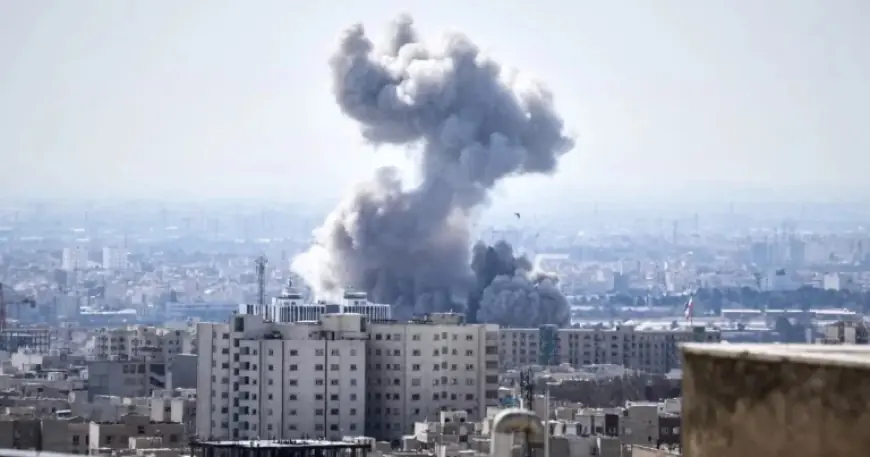
Following the strikes, constant missile salvos from Iran sent people in central Israel racing in and out of underground shelters throughout the day. Air-raid sirens and defensive interceptions were visible over populated areas, and residents used metro stations and parking garages to shelter from incoming missiles. The use of shelters became a familiar ritual as communities coped with repeated warnings and interceptions.
The missile barrages were described as retaliatory actions in response to the earlier U. S. -led operation. The population-level impact in central Israeli cities included repeated disruptions to daily life and an elevated sense of insecurity as people responded to sirens and moved between safe spaces many times in a single day.
International Reaction and Geopolitical Ripples
Russian officials strongly condemned the strikes, calling for an immediate cessation of hostilities and a return to diplomacy. A Russian foreign official engaged in a phone call with an Iranian foreign official in which the Russian side criticized the strikes and urged renewed talks. Russia’s foreign ministry characterized the strikes as unprovoked and a violation of international law and expressed willingness to help facilitate diplomacy.
Other Russian government figures criticized the action and urged international bodies to intervene to stop the strikes. Analysts note that Russia’s public condemnations highlight limits on its capacity to materially support Iran given competing priorities, and that Russian officials have framed the strikes as a destabilizing move that could have wider regional implications.
The combination of U. S. -led strikes, Iranian retaliation, and vocal condemnations from other capitals has created a fluid security environment. Officials in washington dc and allied capitals will be weighing military, diplomatic, and informational steps in the near term while the human cost already recorded—deaths and injuries among service members and repeated civilian sheltering—continues to unfold.
Developing details remain subject to change. Recent updates indicate casualties and damage, and additional information may emerge as military and diplomatic actors provide further briefings.