Rand Paul and the US war-powers debate amid Israel-Iran missile exchanges

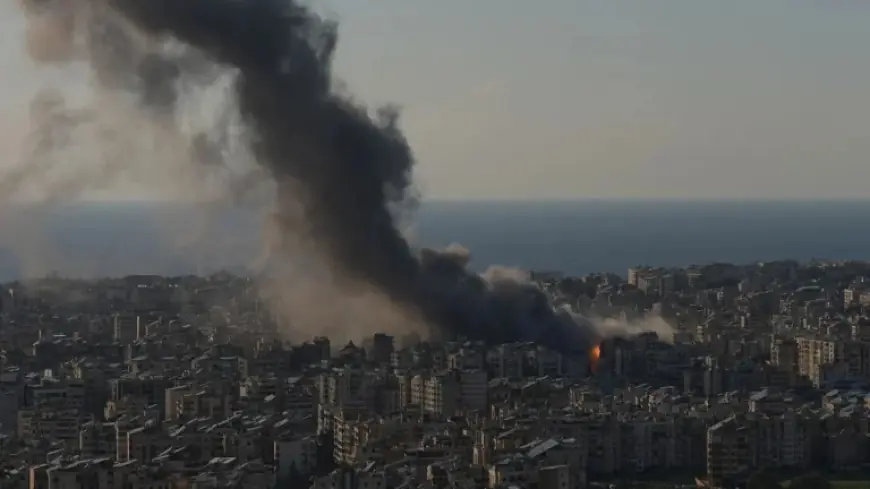
A Washington morning program hosted by Jan Jeffcoat featured an interview with former Mayor of Shiloh, Israel, David Rubin about missiles being shot at Israel following strikes on Iran; rand paul appears among topics tied to a set of headlines shaping the day. The program airs weekday mornings from 6 a. m. to 9 a. m. ET, Monday through Friday.
Rand Paul and presidential power
One of the driving headlines for the day is framed as The US in Brief: The fight over presidential power. That headline signals a focus on the institutional question of how authority is exercised at the executive level. rand paul is referenced among names connected to that broader public debate in the day’s coverage, which places the presidential-power discussion alongside developments in the Middle East and discussions of congressional authority over military action.
Israel on high alert after missile exchanges
The program’s on-air conversation with former Mayor David Rubin centered on missiles being shot at Israel following strikes on Iran. The segment framed the immediate security situation as elevated and noted the direct link between strikes on Iran and subsequent missile activity targeting Israel. Viewers are directed to weekday coverage in the 6 a. m. to 9 a. m. ET window for ongoing conversation and perspective.
Bipartisan framing on war powers
Another headline cited for the day is Democrats, MAGA Republicans Share Common Ground on War Powers. That framing points to a cross-aisle focus on the scope and limits of congressional and executive authority over military engagements. Coverage grouped that theme with the Israel-Iran developments and the presidential-power headline, suggesting the day’s coverage linked battlefield events and institutional debates about when and how the United States should authorize or constrain military action.
- Key takeaways: morning coverage paired regional missile activity with debates over executive and congressional authority.
Analysis and forward look: the pairing of immediate security developments with headlines about presidential power and bipartisan war-powers alignment creates a coverage pattern that foregrounds both events on the ground and the institutional tools available to respond. If missile activity persists and the institutional debate remains prominent in coverage, public attention in the 6 a. m. to 9 a. m. ET briefing window is likely to stay focused on how political actors address the balance between rapid response and formal authorization for military actions.