Kate Middleton Scandal Prompted William’s Threat to ‘Go to War’ With Press and Queen’s Security Veto

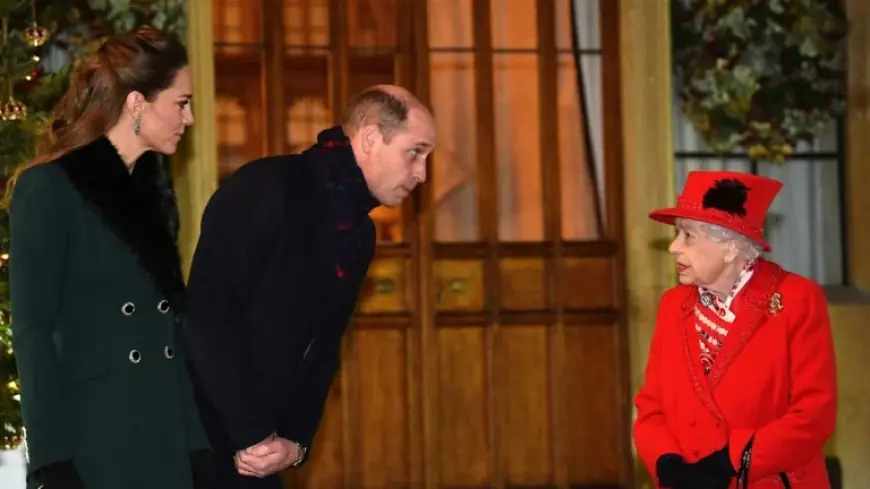
A newly published account lays out how Prince William vowed to shield kate middleton after paparazzi secretly photographed her topless on holiday, and how an earlier request for protection before their engagement was turned down by the royal household. The revelations link a 2012 privacy breach and the long legal fight that followed with a separate episode in 2010 when formal security for his then-girlfriend could not be arranged.
Kate Middleton photographs and the 2012 legal fight
The book describes a summer 2012 mini-break at the Château d’Autet in Provence where kate middleton was sunbathing when a photographer, positioned about a mile away and using a long-range lens, captured intimate images. That intrusion prompted what is characterized as a lengthy legal battle that began the same year and that Prince William pursued relentlessly to protect his wife.
The timing of the incident intersected with the couple’s public duties: the holiday occurred a year after their wedding and ahead of a nine-day tour of Southeast Asia tied to the Diamond Jubilee of the late monarch. The account records that William’s response to the breach was emphatic — he told national journalists he would not allow the public unravelling of a private life to mirror the breakdown of his parents’ marriage, and he signaled his determination to press the matter to the end.
Queen Elizabeth II’s veto of pre-engagement security
Separate episodes described in the book reach back to before the 2010 engagement. At that time William had sought arrangements that would provide security for Catherine, who had been chased by the media and was close to relinquishing her position at Jigsaw because of the pressure. The Metropolitan Police Royalty Protection Command was constrained from using taxpayer-funded officers for a private protection detail, and the royal household decided that no private security arrangement would be put in place until an engagement was announced.
As a result, the Prince explored privately funded protection. The decision by the royal household — influenced by the late Queen Elizabeth II’s position that no arrangement should be made prior to engagement — left the couple without a formal solution in that window. The cause-and-effect is clear: the refusal to allow pre-engagement protection fed into a period of vulnerability that, by the account, contributed to intense media pressure in the years that followed.
What makes this notable is how two discrete institutional choices — a police funding constraint and a household decision against pre-engagement arrangements — combined to shape the couple’s early efforts to manage press intrusion and personal safety.
Russell Myers’ portrait of William’s protective stance
Author Russell Myers frames Prince William’s posture toward the press as distinct from that of other family members. The narrative records a private intervention in which William entered a gathering of national journalists and declared that he would not allow history to repeat itself, and quotes his insistence that he would “stop at nothing to protect” his family. That determination, the book argues, underpinned the legal strategy after the 2012 photographs and informed efforts to secure backing from the palace.
The account connects several concrete actions and decisions: a 2010 request for pre-engagement security that was declined, a 2012 privacy breach captured from roughly a mile away, and the ensuing legal campaign William mounted in response. Together they portray a sequence in which institutional limits on protection and a high-profile invasion of privacy produced both an immediate legal response and a long-term reshaping of how the couple approached media scrutiny.
The broader implication is that private moments and procedural rulings inside the royal household can have public consequences, affecting not only individual well-being but the contours of institutional policy and family security going forward.