Mark Rutte Cast as Central to a Trilateral Push — How U.S. Decisions Could Shape Russian Willingness to End the War
The immediate consequence of recent diplomacy, the Ukrainian president suggested, is that American choices will heavily influence whether Russia is willing to stop fighting — a dynamic that elevates mark rutte as a coordinating interlocutor. This matters because the leader described preparatory work on a three-way format involving NATO representation, the American side, and Ukraine, shifting the script from bilateral appeals to a deliberate trilateral channel.
Mark Rutte and the near-term diplomatic consequences
Positioning Mark Rutte inside a trilateral frame changes the negotiation geometry: it signals a move toward formal coordination among three actors rather than ad hoc conversations. Here’s the part that matters — if the United States adjusts posture or timelines, that change could cascade through the trilateral effort and affect whether Russia shows readiness to halt hostilities.
Who feels the immediate impact is simple: the Ukrainian leadership is tying its hopes for a cessation to a coordinated approach that includes NATO representation and American engagement. The United States’ stance is presented as a hinge; the third party in the trilateral setup functions as a bridge for messaging and practical coordination. Real peace and security were singled out as the ultimate goal, with personal thanks extended to Mark Rutte for his support and a pledge to continue coordination.
What’s easy to miss is that naming a specific interlocutor for coordination does not, on its own, guarantee movement — it mainly clarifies who will be working together should the U. S. side choose to accelerate talks or commitments.
Event details and the public messaging around the trilateral format
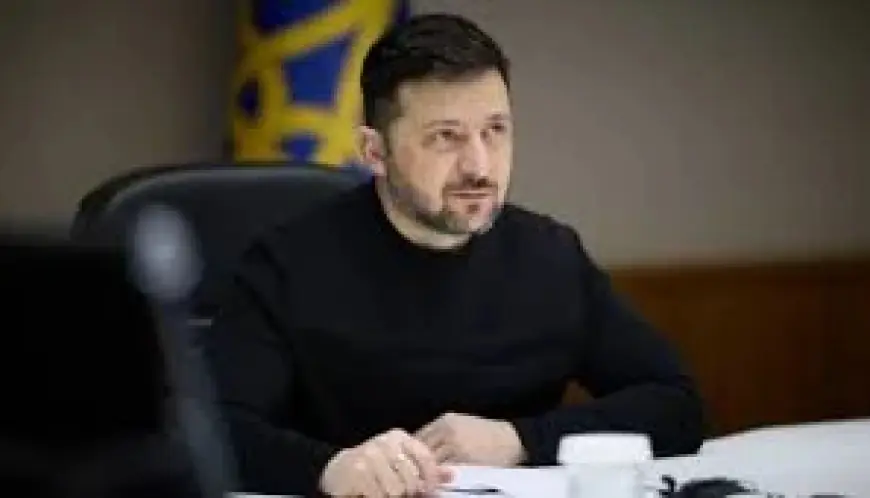
The president announced on Telegram that he had spoken with NATO Secretary General Mark Rutte and told him about his team’s meeting with the American side and the preparation of a trilateral format. He emphasized that in many respects it depends on America whether Russia will be ready to end the war, and stressed the need for genuine peace and security. He thanked Mark for support and said coordination would continue.
Separately, the U. S. president told the Ukrainian president during a telephone conversation on Wednesday that he wanted to bring the war to an end as soon as possible. That exchange was cited as part of the broader set of interactions tied to the trilateral planning and public diplomacy around an effort to shift the conflict toward a negotiated pause or cessation.
- Key players mentioned: the Ukrainian president, NATO Secretary General Mark Rutte, and the American side.
- Immediate outcome signaled: preparation of a trilateral format to coordinate positions and push toward ending hostilities.
- Public posture emphasized: U. S. decisions framed as a major factor in Russian willingness to stop fighting.
The real question now is whether the trilateral preparation translates into concrete steps by the American side that change Russia’s calculus; without a clear follow-through, naming a format remains chiefly a political signal rather than a binding process.
Embedded timeline (publicly stated sequence):
- The president announced a conversation with NATO Secretary General Mark Rutte and discussed meetings with American counterparts.
- Preparations for a trilateral format were described as underway.
- On Wednesday, the U. S. president told the Ukrainian president he wanted the war to end as soon as possible.
Final practical note: these statements frame the next phase of diplomacy around coordination and the U. S. role. Confirmation that the trilateral talks will move from planning to action will be the clearest signal that the diplomatic posture has shifted in a way that could influence Russia’s willingness to cease hostilities.