Israel Iran Attack Signals a Sharper Phase — How escalation will reshape civilian safety, diplomacy and regional movement

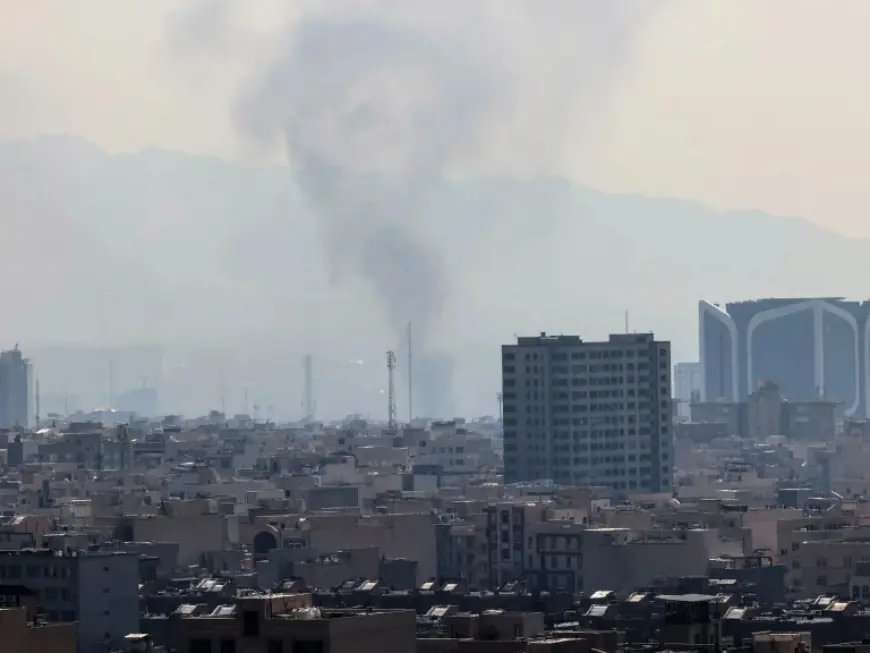
The Israel Iran Attack has been framed by military officials as a new phase that will intensify strikes and broaden targeting, and that framing matters because it changes what follows: larger evacuations, deeper displacement across Lebanon and pressure on neighbouring states to respond or protect citizens. The immediate shift in posture from allies also raises questions about the tempo of operations and the safety of civilians near declared military objectives.
Israel Iran Attack: immediate consequences for civilians, energy flows and regional diplomacy
Command language describing a “new stage” and announcements that strikes will “surge dramatically” point to concrete consequences. Expect broader evacuations where militaries issue orders, faster movement of refugees across borders, and louder diplomatic pressure as states reassess staff presence and border security. Here’s the part that matters: civilian displacement and constrained humanitarian access are already emerging as the most urgent effects.
- Displacement surge: Nearly 100, 000 people have been pushed from their homes within Lebanon, while tens of thousands of refugees in the country have moved back across a national border.
- Evacuation orders: Large-scale evacuation notices for southern suburbs of a major Lebanese city have been issued in tandem with air strikes.
- Escalating targeting: Strikes have been reported in multiple Iranian cities, and there are repeated waves of air operations affecting capital and regional urban areas.
- Diplomatic pulls: At least one neighbouring government has withdrawn diplomatic staff from Iran for safety reasons after cross-border drone incursions were noted.
- Political pressure: A national leader publicly demanded unconditional surrender and suggested a role in selecting replacement leadership, signaling a political as well as military escalation.
- Energy uncertainty: Comments from international energy officials differ sharply on short-term supply risk, leaving markets sensitive to further disruption.
Ground moves and verified claims behind the escalation
Military statements and multiple attack reports describe sustained air operations targeting infrastructure and urban areas. Forces announced a “new stage” in their campaign and said there will be additional surprising moves; allied defence officials signalled a dramatic surge in strikes. Explosions have been reported in several locations in a national capital, and multiple Iranian cities were named as having been struck in continuing waves of attacks. Separately, strikes have also hit southern and eastern towns across Lebanon and multiple air raids were reported in the southern suburbs of a major Lebanese city.
One military account said a large force of fighter jets dropped many bombs on a subterranean complex in the capital and claimed the site had multiple entry points. That claim is presented as an official assertion and is developing; there was no immediate comment from the other side.
Defensive actions and cross-border incidents are already altering regional posture: a neighbouring country said it was withdrawing diplomatic personnel after drones crossed its border and caused injuries. Air-defence and missile interceptions were also reported in a gulf country, with authorities describing numerous incoming missiles and drones intercepted in the course of the day.
The real question now is whether the declared intensification will remain focused on infrastructure or widen to include deeper urban areas — a shift that would amplify civilian harm and displacement.
Micro timeline (verified points):
- Overnight: large-scale strikes were launched on cities in Iran and on targets in Lebanon.
- Conflict day seven: operations were described as entering a seventh day with multiple waves of air strikes continuing.
- Evacuations and withdrawals: mass evacuation orders for southern suburbs were issued and at least one regional government pulled diplomatic staff across the border.
What’s easy to miss is how quickly population movements have escalated: the scale of internal displacement in Lebanon and the return movement of refugees are already stressing border and humanitarian systems.
Key takeaways that could signal the next turn: increased and repeated evacuation orders near strikes; confirmation of further strikes in multiple urban centers; more diplomatic withdrawals; and clearer consensus among allied defence officials about the duration and scope of the intensified campaign. If those signals strengthen, expect sustained operational tempo and deeper humanitarian consequences.
Editorial aside: The bigger signal here is that military language about a “new stage” combined with political calls for unconditional outcomes risks hardening positions and narrowing room for de-escalation, which often accelerates civilian harm before any negotiated pause can be arranged.