Iranian President shift signals a tactical pause — how halting attacks on neighbors could reshape Gulf security and diplomacy

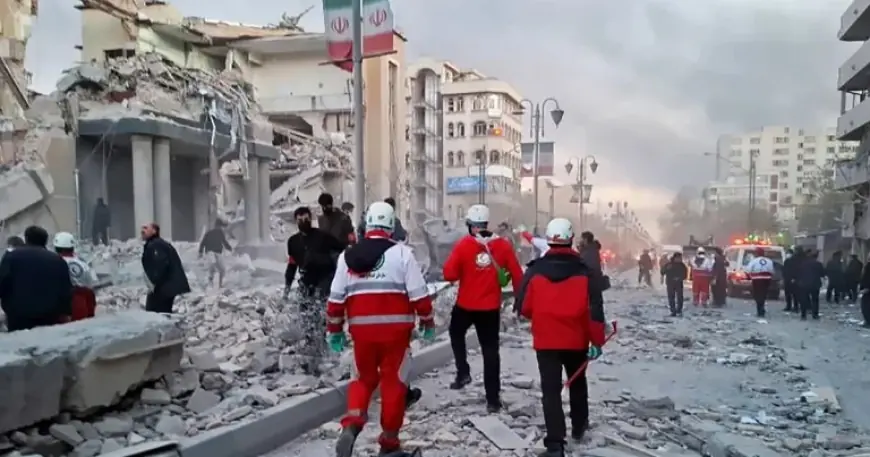
The announcement by the iranian president that Iran will no longer strike neighboring Gulf states unless those states attack Iran or are used to launch strikes matters because it changes the immediate risk calculus for frontline capitals and for forces operating in the region. This is a potential de‑escalation that could open diplomatic space, but parallel military caveats and public claims of battlefield success mean the change may be partial and testy.
Iranian President move: rapid diplomatic openings meet military caveats
On its face, the pledge redirects pressure away from Gulf infrastructure and could reduce fear of cross‑border escalation for neighbouring governments. Here’s the part that matters: if implemented, the shift lowers the chance that Gulf states without active involvement in strikes will be targeted, which could ease the immediate flow of evacuation flights and consular operations. The real question now is whether the political leadership’s statement will outweigh military interpretations that define legitimate targets more broadly.
What was said and the qualifications shaping any change
The iranian president publicly framed the move as an apology to Gulf nations and a desire to align Iran’s actions with international law; he said Iran would stop attacking neighbouring countries unless those countries were the source of an attack or were used to launch strikes. A separate military spokesperson framed continued strikes differently, emphasizing that attacks on US and Israeli assets would continue and noting that forces have targeted bases identified as origins of aggression.
That qualification matters in practice: if military planners treat facilities that host foreign forces as legitimate targets, the declared pause could be narrow. There is a clear tension between a political pledge aimed at regional rapprochement and a military posture that emphasizes retaliation against perceived sources of aggression. The bigger signal here is that power dynamics inside the country are being tested in real time; how commands are interpreted will determine whether the pledge results in fewer cross‑border incidents or simply new language for existing operations.
Other concurrent moves and statements are already reshaping calculations. A foreign leader in the United States said that recent strikes had significantly damaged Iran’s military capabilities and claimed a substantial tally of enemy ships destroyed, presenting the campaign as a success. Meanwhile, many Gulf states—including those that have tried to maintain closer ties—had been pressing for restraint. Travel and evacuation logistics are in motion: thousands of nationals have been moved out of a Gulf state, with additional chartered flights underway or being considered to repatriate citizens.
- Political effect: A public apology and promise to pause strikes can cool tensions and create room for diplomacy if military actors adhere to the pledge.
- Operational ambiguity: Military statements keeping US and Israeli assets in play mean the pledge could be limited in scope.
- Regional pressure: Gulf states pushing for restraint are a direct factor that appears to have influenced the political message.
- Visible signals to watch for: reduced targeting of Gulf infrastructure, lower frequency of cross‑border strikes, and changes in public military communiqués.
It’s easy to overlook, but the domestic dimension — whether political or military authorities control operational decisions — will be the real test of whether the pause is durable. Internet access interruptions and large domestic demonstrations noted during the crisis are complicating the information environment and make verification harder.
Here’s a short set of practical implications readers in the region or with interests there should keep in mind:
- If you live or travel in Gulf capitals, expect a cautious easing of immediate cross‑border risk but ongoing uncertainty around facilities linked to foreign forces.
- For military planners and diplomats, the announcement is an opening for renewed talks, but confidence will require consistent behaviour from both political and military channels.
- Humanitarian and evacuation operations may steady if attacks on infrastructure decline, but disruptions to communications and transport remain possible.
- Public claims of battlefield successes by outside actors can harden positions; diplomatic follow‑through will be needed to translate words into quieter skies.
The real question now is how quickly operational directives, not just political statements, will change on the ground. Recent commentary shows competing frames: one side emphasizing restraint and law, the other stressing continued targeting of bases tied to hostile actions. That tension will determine whether the pledge is a genuine pivot or a tactical rewording of existing strategy.
What’s easy to miss is that even a modest reduction in strikes aimed at Gulf states would produce immediate relief for commercial and civil activity in the region—assuming those reductions are sustained and verifiable.