Iran Attacks Countries: Tehran Signals De-escalation but Keeps Conditional Strike Policy

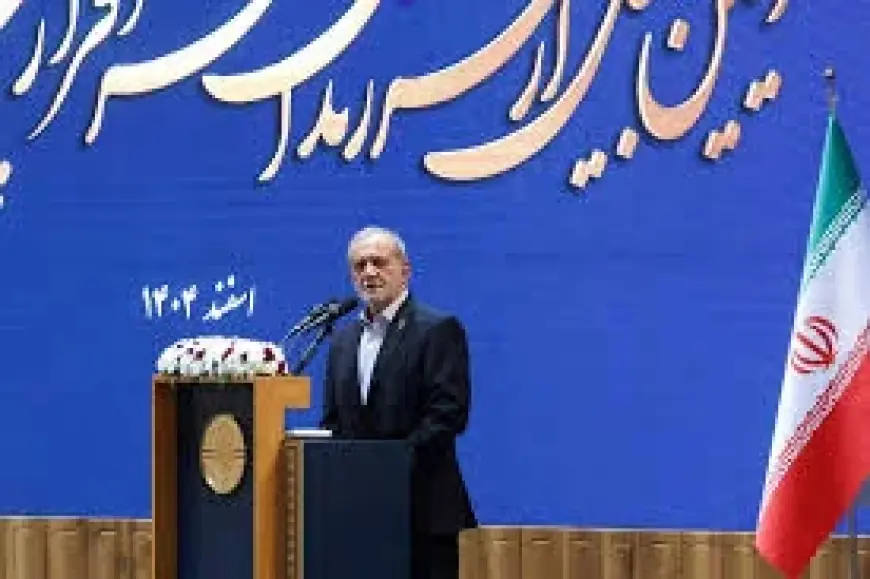
Iran Attacks Countries has become central to Tehran’s latest posture: the government issued what it framed as a first significant message of de-escalation while making clear any pause in cross-border strikes is conditional. The move paired an apology from the Iranian president with a formal pledge to suspend strikes on neighbouring states—but only if those states refrain from initiating attacks.
Iranian president’s apology showcases rifts among the country’s leaders
The public apology issued by the Iranian president was presented as part of a broader effort to lower tensions, yet it also highlighted divisions inside Iran’s leadership. Officials offered the apology alongside the de-escalation message, signaling a willingness to change tone at the diplomatic level. At the same time, commentary from inside the political system underscored disagreement about tactics and thresholds for military action, making the statement as much a domestic signal as a regional one.
The cause-and-effect relationship is clear: the apology appears intended to reduce immediate pressure and open space for calmer engagement, but internal disagreement has limited that shift to words rather than an unconditional change in behavior. What makes this notable is that the gesture arrives with a caveat that preserves Iran’s ability to respond militarily, effectively balancing an olive branch with a maintained deterrent.
Iran Attacks Countries conditional suspension on neighbours
Alongside the apology, Iranian authorities announced a policy decision to suspend strikes on neighbouring countries on the condition that those neighbours do not carry out attacks from their territory. The official action is precise in its terms: suspension will hold unless attacks originate from neighbouring soil. The effect of this condition is to convert a de-escalatory posture into a contingent one—lowering the immediate risk of cross-border strikes while keeping a defined trigger for reinstating them.
That conditionality creates a narrow pathway for reduced hostilities: if neighbours avoid initiating attacks, Tehran has signaled it will refrain from reciprocal strikes. Conversely, any attack traced to a neighbour would remove that restraint and reopen the possibility of cross-border operations. The policy thus ties diplomatic calm directly to battlefield behavior, making military developments the proximate determinant of whether the suspension endures.
De-escalation message, major caveat and regional impact
The initial public message of de-escalation represents a shift in rhetoric for Tehran and introduces an operational change in the form of a suspension pledge. The tangible actions are threefold: a public apology from the Iranian president, a stated suspension of strikes on neighbours, and an explicit condition that those suspensions will be revoked if attacks originate from neighbouring territories.
Those actions have immediate implications. If neighbours refrain from attacks, the suspension could reduce cross-border exchanges of force and lower immediate regional tensions. If attacks continue or resume from neighbouring countries, the policy creates a straightforward justification for Iran to recommence strikes. The timing matters because the pledge and the apology arrive together: the paired moves seek to leverage a conciliatory tone while preserving military options, indicating that Tehran is calibrating between de-escalation and deterrence rather than pursuing unconditional restraint.
Observers within the political system will watch two measurable outcomes: whether the apology facilitates a reduction in hostile incidents, and whether the conditional suspension is tested by any cross-border attack. Together, those indicators will determine whether this counts as the start of a sustained de-escalation or a temporary posture that can be quickly reversed.
For now, Tehran’s communication is a limited but deliberate shift—an official action designed to lower temperature while ensuring a clear trigger for renewed strikes remains in place.