Ufc 324 Aftermath Deepens Uncertainty Around Michael Johnson and Fight‑Week Betting Swings

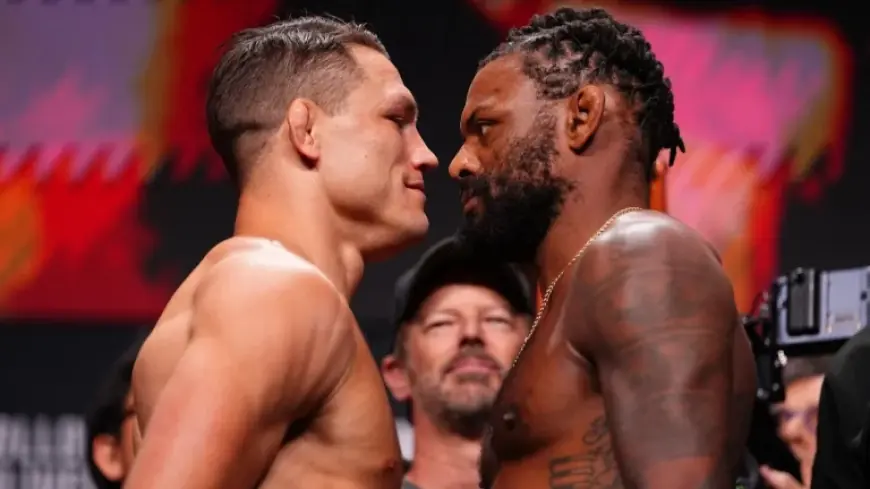
The pattern that led to the cancellation tied to ufc 324 is no longer an isolated hiccup — it has become a recurring risk that changes how fighters, matchmakers and bettors approach fight week. Michael Johnson has now been part of two consecutive scheduled fights shadowed by suspicious late betting movement, and the immediate consequence is heightened scrutiny and disrupted preparations for the athletes involved.
Ufc 324: why the cancellation still matters and what’s uncertain
When a fight is called off after a gaming integrity service alerts promoters, the effects are more than a lost matchup. For the fighters — trainers, camps and contracted opponents — there’s a competitive and financial disruption. For the organization, repeated alerts raise questions about whether current monitoring and countermeasures are sufficient. Here’s the part that matters: patterns of late line swings shift attention away from in‑cage performance and toward oversight mechanisms that haven’t yet demonstrated they can prevent repeat incidents.
It’s easy to overlook, but the broader signal is that multiple flagged events in a short sequence compress trust among fans, fighters and sportsbooks — and that pressure can force procedural change quickly if it keeps happening.
Event details and the immediate chain of incidents
- The scheduled Johnson vs. Alexander Hernandez matchup for ufc 324 was called off after promoters were alerted to suspicious betting activity; the betting line had moved strongly in favor of Johnson shortly before the fight.
- On a later card, the Drew Dober vs. Michael Johnson matchup experienced sharp late line movement that pushed Dober from underdog to nearly a 2‑1 favorite in the hours before the fight, prompting FanDuel to remove the bout from its platform.
- Separately, a fighter was released in November after a matchup was flagged when the betting line shifted suddenly minutes before the bout.
Promotional leadership reacted by pulling at least one fight after being notified by a gaming integrity service and described that decision in frustrated terms. One fighter who lost a scheduled opportunity denied any involvement with betting irregularities and called the cancellation disheartening after completing a camp and making weight. These are the uncontested elements that frame today’s uncertainty.
Repeated events like these concentrate pressure on three operational front lines: integrity monitoring, fighter protections (compensation and replacement), and sportsbook controls around late trading. The real question now is whether the current incident management approach will be tightened to reduce the odds of recurrence or whether more disruptive measures — from delayed betting windows to stricter post‑event reviews — will follow.
Key immediate signals that would confirm a next shift include: tighter pre‑fight monitoring protocols announced by the promotion, more frequent removal of bouts from betting platforms during suspicious swings, or formal disciplinary action tied to flagged matches. Any of those moves would be a clear response to the pattern that includes the ufc 324 cancellation.
Q: Who is most affected right away?
A: Fighters and their camps lose training value and pay opportunities when a bout is scrapped; matchmakers face card reshuffles and reputational risk; sportsbooks and regulators face pressure to demonstrate stronger oversight.
Q: Does this mean fights are fixed?
A: What’s known are repeated, suspicious late line movements and resulting operational responses; direct conclusions about fixing require further verified evidence beyond flagged betting shifts.
Q: How might this change fight week moving forward?
A: Promoters and betting operators could adopt faster alerts, narrower betting windows, or stricter scrutiny of last‑minute wagers — any of which would alter how fans and participants interact with fight‑week markets.
Writer’s aside: The bigger signal here is that integrity headaches compound quickly when similar anomalies touch multiple events in succession; organizations often respond most decisively when patterns emerge rather than with single incidents.