Jammer Aims to Block AI Wearables’ Eavesdropping, Faces Likely Challenges

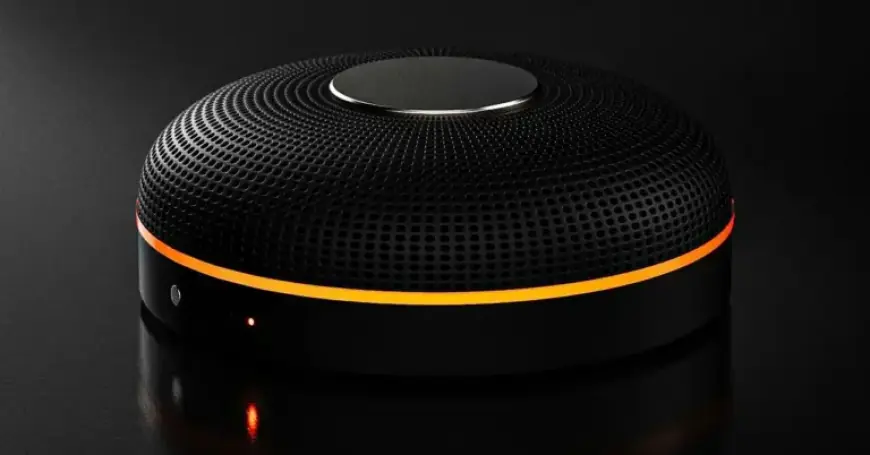
Deveillance has developed a device called the Spectre, designed to identify and block eavesdropping from AI wearables. However, this technology faces scrutiny from experts regarding its efficacy.
Understanding the Spectre Device
The Spectre claims to detect nearby microphones by recognizing radio frequencies (RF). Critics argue that detecting a microphone via RF is largely ineffective unless the detection device is in close proximity. Jordan, an engineer, expressed skepticism about the transformative claims made by Deveillance. He believes that if such technology existed, it would revolutionize fields like radio astronomy.
Technical Mechanisms and Challenges
Deveillance is also exploring nonlinear junction detection (NLJD), a method used by professionals to locate hidden microphones. While effective, NLJD systems are costly and primarily utilized in high-security settings, such as military operations.
Detecting the exact location of a microphone remains challenging. Various factors in a room can alter how frequencies propagate. Furthermore, concerns about the impact of ultrasonic frequencies on humans and pets have prompted calls for more research. Baradari, a spokesperson for Deveillance, acknowledged the need for further studies on the potential effects, especially on animals.
Criticism and Skepticism
Critics, including engineer Dave Jones, have been vocal about the limitations of the Spectre. According to Jones, the device seems to use ambiguous language to suggest it can detect all types of microphones, while in reality, it may only scan for Bluetooth devices.
In response to queries about the Spectre’s capability, Deveillance provided short video clips demonstrating the device’s functionality. However, these clips have been perceived as inadequate proof of effectiveness.
Future Prospects and Public Reaction
Despite facing criticism, Baradari remains optimistic, stating that feedback helps improve the technology. She believes that integrating various ideas will address existing concerns about the device.
The Spectre has garnered attention on social media, often being compared to fictional technologies, with users dubbing it as the “cone of silence” akin to that in Dune. The company’s website now expresses a goal to make this concept a reality.
The Privacy Debate
John Scott-Railton, a cybersecurity researcher, notes that the device’s popularity underscores a growing public demand for products that protect privacy. He emphasizes the need for technological solutions that avoid privacy violations while fulfilling consumer desires.
Cooper Quintin from the Electronic Frontier Foundation echoed these sentiments, suggesting that if the Spectre functions effectively, it could significantly benefit privacy advocacy. He recognized Deveillance’s efforts to create a product that prioritizes privacy in an age where data extraction is rampant.
Conclusion
With the ongoing development of the Spectre, the conversation around privacy in the digital age remains critical. As technology evolves, balancing innovation with ethical considerations is essential for consumer trust and safety.