Alysa Liu on Dancing Her Way to Olympic Gold: A Comeback That Resonates With Cities and Fans

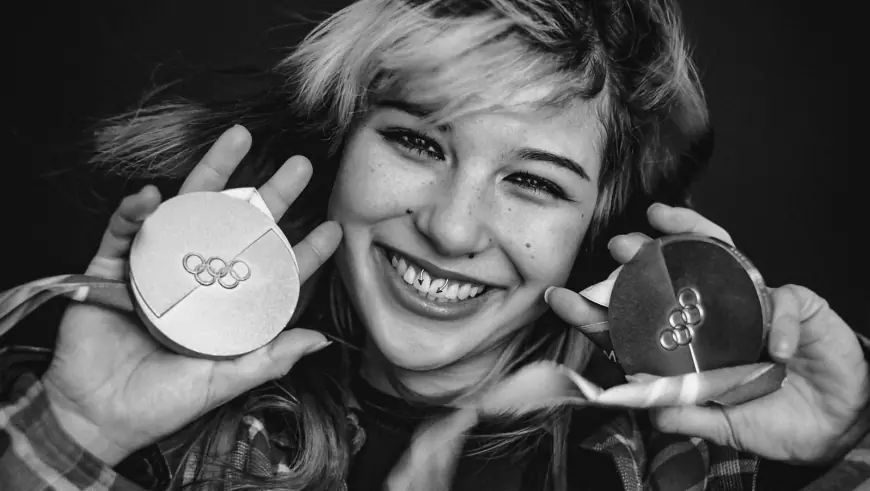
liu’s trajectory from child prodigy to Olympic gold medalist culminated in a moment of relief and celebration on a flight home from Milan, where she finally slept properly after a grueling run of events. That flight, the crowd reactions, and the peculiar small-town gestures of support together frame a story about reinvention, authenticity, and how one skater’s choices echo beyond the rink.
Liu’s rise, retreat and rapid return to the top
Her competitive arc is striking in its contrasts. She first announced herself by becoming the youngest person ever to win the women’s National Championship while still little enough to require help climbing the podium. At 16 she placed sixth at the Beijing Olympics and earned bronze at the World Championships, but then abruptly quit the sport in a social-media post. That period was followed by a deliberate return: two years later she resumed training and, nine months after that restart, was named world champion. The sequence — early dominance, a sudden departure, and a swift, decisive comeback — reframes the familiar comeback narrative as one driven by personal terms rather than external timetables.
Liu’s personality on and off the ice
Her public persona is textured: she combines playful style choices with a clear sense of self. Descriptions of halo hair, a visible piercing, and program choices that lean into contemporary artists paint an athlete who prioritizes individual expression. She has embraced foods and indulgences, and her performances have been described as vibey and joyful; after the medal-clinching free skate in Milan she voiced her exhilaration in a way that captured the moment’s release. The human details — gifts waiting at a photo shoot, a creamery offering lifetime treats — underscore how personal branding and genuine warmth can amplify athletic achievement.
What her Milan gold means for cities and communities
The local responses to her victory reveal surprising civic lessons. A hometown creamery’s offer of lifetime ice cream and the buzz around public appearances illustrate how a single athlete’s success can catalyze small-scale civic pride and local commerce. The pattern suggests that cities can leverage individual stories of resilience to create shared narratives that unite residents and boost local businesses without grand initiatives or formal programs.
Resilience, mental health and public perception
Her candid reflections on difficult stretches — including intense training that produced tears after falls, struggles with homeschooling, and an admission of not remembering parts of her early success — foreground the mental and emotional complexity behind sporting success. The decision to step away and later return reframes setbacks not as endings but as intervals that can precede renewed achievement. That arc challenges simple success narratives and highlights the role of personal agency in recovery and growth.
What’s next and the wider impact
Her Milan victory and the public reaction that followed — from paparazzi attention to media appearances and upgraded flights that finally allowed for proper rest — signal a new phase of visibility. The immediate future will likely involve more public engagements and the continued cultivation of a distinctive public identity. For cities and local businesses, the lesson is clear: authenticity and proximity to meaningful stories can generate cultural and economic value. For athletes and fans, her path offers a reminder that breaks, reinvention, and a focus on joy can be integral parts of a lasting legacy.
Note: Recent coverage described the scenes and milestones summarized here; details may evolve as Liu’s career and public life progress.