Dover Air Force Base Receives Remains of Six After Drone Strike as Trump’s Visit Highlights Tension Over Military Sacrifice

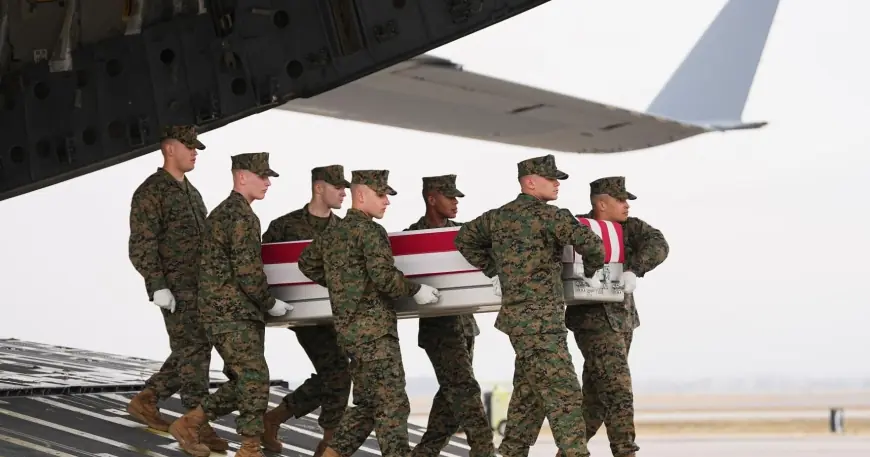
The transfer of fallen troops at dover air force base became a focal point on the national stage as the facility received six service members killed in a drone strike. The arrival and a presidential visit to honor the dead underscore the emotional weight of casualty returns and the political stakes that follow such solemn moments.
Dover Air Force Base receives remains after drone strike
Marine Corps carry teams moved transfer cases containing the remains of the fallen at dover air force base, a formal ritual that emphasizes the human cost of conflict. One transfer case shown in coverage held the remains of Lance Cpl. Kevin Melendez, illustrating the individual lives behind the tally of six service members. The arrival of the remains was presented as live coverage, reflecting intense public attention.
President’s presence and the optics of honoring the fallen
The president visited dover air force base to honor the six Americans killed in the war in the Middle East. The visit follows a period of military action that included attacks on Iran in coordination with another country a week earlier, after which the president warned there could be American casualties and used the phrase "that's the way it is. " That sequence — strikes, the warning about potential casualties, and then the return of the fallen — frames the visit as a politically charged moment for the administration.
Why this moment matters for public perception
It's delicate for any president to witness flag-draped transfer cases returning from overseas: the ritual honors service and focuses public attention on the costs of conflict. The recent events could resurface questions about how the administration has communicated and sought public backing for the military effort. Officials have not been widely credited with building public support for the conflict, and the optics of a presidential visit to receive remains may sharpen scrutiny of messaging and leadership choices.
Contrasting tones in presidential engagement with service members
The president’s responses to military sacrifice have shown contrasting tones. On one hand, the president has been reverential in some moments, awarding the Medal of Honor in ceremonies that celebrated individual bravery and sacrifice. Examples include presentations of the Medal of Honor for actions credited with saving other service members, and public recognition during high-profile events. On the other hand, the president has at times been terse or inserted partisan elements when discussing wounded or fallen service members. These divergent approaches contribute to a complicated public record on military sacrifice and may shape reactions to the Dover visit.
Looking ahead
The arrival of six remains at dover air force base and the presidential visit that followed are likely to be touchpoints in ongoing public and political conversations about the conflict and its costs. Coverage and commentary will continue as families, military communities and political leaders respond. Recent updates indicate this remains an evolving story; details and public reactions may change as more information and perspectives emerge.