Big 12 Tournament Bracket: TCU Favored, big 12 tournament bracket focus in Kansas City

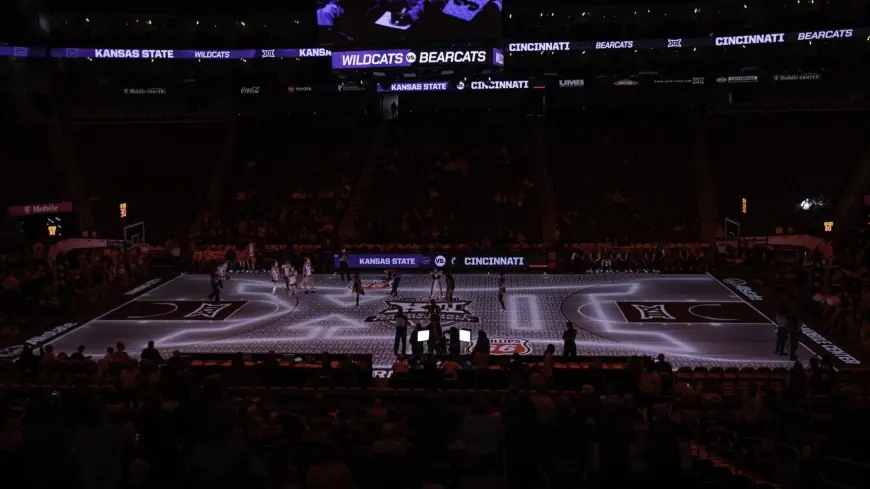
The 2026 big 12 tournament bracket is set as TCU enters the Kansas City tournament as the clear regular-season favorite, and the league’s decision to keep its hoops championships in Kansas City through 2031 remains a focal point. The women’s tournament runs March 4–8 at the T-Mobile Center in Kansas City, Missouri, with a loaded field and bracket results already shaping a compelling path to the title.
big 12 tournament bracket overview
TCU secured a second straight regular-season crown, finishing the year 27-4 overall and 15-3 in conference play. Olivia Miles paced the team with 20. 1 points and 6. 9 rebounds per game. TCU also won the conference tournament last season, positioning the Horned Frogs as the team to beat in this bracket. West Virginia enters as the No. 2 seed after narrow losses to TCU during the season, including a mid-January game decided on a buzzer-beater. Baylor sits close behind but lost to TCU by double digits in the regular-season finale. Those results have driven bracket seeding and expectations heading into the week in Kansas City.
Big 12 Tournament Bracket outlook
Several individual performances have shaped the bracket narrative. Iowa State’s Audi Crooks averaged 25. 6 points and 7. 8 rebounds and produced a 41-point double-double in the regular-season finale, marking her fourth 40-point game of the year. West Virginia closed the season with a 58-point victory over Cincinnati, reinforcing its status as a deep-tournament threat. While national projections have placed the conference below its strongest historical levels, TCU’s combination of a regular-season title and recent tournament success gives it momentum entering the bracket’s later rounds.
Games and bracket progression
Early-round results reshaped the bracket pathway. First-day games produced multiple upsets and set up matchups that tested higher seeds. Notable outcomes included a run from a lower-seeded team through multiple rounds and a semifinal matchup that paired TCU with a surprise opponent. The tournament schedule placed the semifinal and final matchups on consistent championship-format evenings, and one scheduling note remains in play: if a specific team advances to the title game, the final is slated to be moved to a set later date in order to accommodate television and logistical needs (that contingency was included in the tournament notice and applies only under that conditional scenario).
Venue debate and future plans
The league’s decision to extend the men’s and women’s basketball championships in Kansas City through 2031 has drawn fresh scrutiny. The current conference footprint spans nearly 2, 000 miles east to west, and critics argue that Kansas City is inconvenient for many member schools and fans located far from the Midwest. The commissioner framed the extension as a commitment to the Kansas City community and has kept the tournament anchored there following a long run in the city because his predecessor had held the event in Kansas City since 2010. Commentators have suggested a rotation model for the tournament after the current contract expires so the event can be staged at regional sites that better serve distant parts of the conference.
Key takeaways and next steps
- TCU is the clear regular-season favorite entering the bracket, backed by top scoring and a recent tournament title.
- Individual standouts like Olivia Miles and Audi Crooks have the potential to swing single-elimination outcomes in the bracket.
- The Kansas City hosting extension runs through 2031; the league faces pressure to consider rotating the tournament to serve its wide geographic footprint after that date.
Looking ahead, bracket advancement will hinge on a handful of high-impact players and on whether the conference chooses to revisit site rotation once the current Kansas City commitment concludes. Tournament results over the next few days will clarify which teams carry the conference into the national postseason and which matchups best illustrate the need for a future site strategy.