Ian Huntley Dies After Prison Attack, Closing A Chapter But Not The Soham Case’s Grip

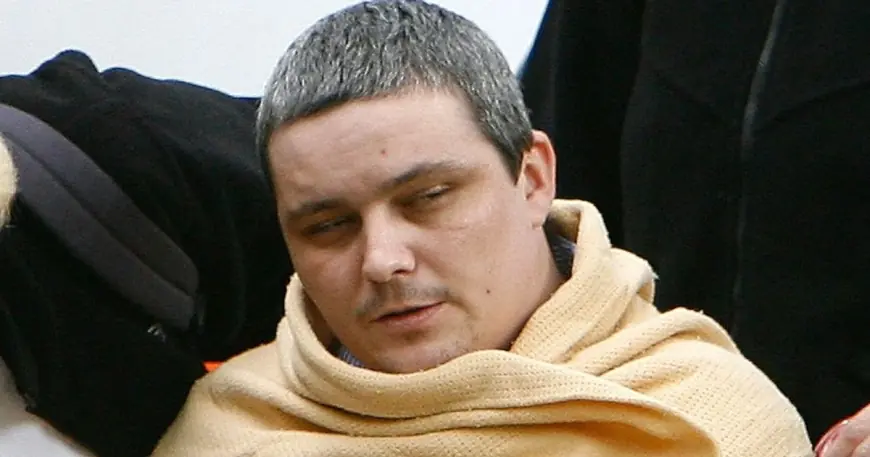
Ian Huntley, the convicted killer in the 2002 Soham murders, has died after a prison attack left him with catastrophic injuries. He was 52. Huntley had been taken to hospital on February 26 after an assault at HMP Frankland in County Durham, and his death was confirmed on Saturday, March 7. The immediate fact is simple, but the meaning is more complicated: the death of one of Britain’s most notorious child murderers ends his sentence, not the lasting weight of the crime that defined him.
Huntley had been serving life sentences for the murders of Holly Wells and Jessica Chapman, both 10, whose disappearance from Soham in Cambridgeshire in August 2002 became one of the most traumatic criminal cases in modern Britain. Their deaths shocked the country not only because of the brutality of the crime, but because of how close Huntley had placed himself to the search, the grieving community and the early public narrative before suspicion fully closed around him.
Prison Attack Ends In Death
The latest development began with a violent assault inside HMP Frankland on February 26. Huntley suffered severe head injuries and was taken to hospital in critical condition. His condition reportedly deteriorated over the following days before his death was confirmed on March 7.
That sequence matters because Frankland is not an ordinary prison setting. It is a high-security institution that houses some of the country’s most dangerous and high-profile offenders, and violence inside such prisons immediately raises questions beyond the individual victim. The issue is not sympathy for Huntley. There is little public appetite for that. The issue is what another major assault says about prison control, segregation, staffing pressure and the management of notorious inmates whose crimes continue to provoke extreme hostility many years later.
The Soham Murders Still Define The Story
Even now, any mention of Ian Huntley leads back to Soham. Holly Wells and Jessica Chapman vanished after leaving a family barbecue to buy sweets on August 4, 2002. What followed was a huge national search, enormous media attention and a collective dread that deepened as hope faded. Huntley, then a school caretaker, inserted himself into the atmosphere around the case before investigators linked him to the murders.
That case never stayed confined to one criminal trial. It changed public thinking about child protection, background checks and institutional trust. It also permanently altered the families at the center of it and the village that became synonymous with a national nightmare. Huntley’s death does nothing to soften that history. If anything, it brings it back into view for a generation old enough to remember exactly where they were when the case unfolded.
Why The News Still Lands Hard
There is a reason this story still cuts through more than two decades later. Huntley was not simply another prisoner who died in custody. He was attached to a crime that became part of the country’s moral memory. Cases like this do not age in the normal way. They remain emotionally active, resurfacing whenever a parole issue, prison development or anniversary drags them back into public conversation.
His death also creates a strange kind of closure that is not really closure at all. There will be no further prison chapter, no later procedural milestone, no eventual old-age fade from public attention. But that does not mean resolution for the people who lived through the murders and their aftermath. In crimes of this kind, the offender’s death rarely settles much. It simply changes the shape of the story one last time.
What Comes Next
The practical next step is the investigation into the prison attack itself. Authorities will have to determine exactly how the assault happened, what weapon was used, how the inmate management system functioned in the lead-up, and whether any broader security failures were exposed. In a prison holding dangerous men with long histories of violence, those questions do not stay internal for long.
The wider public reaction, though, is likely to be less about prison procedure than about memory. Ian Huntley’s death will inevitably revive attention on Holly Wells and Jessica Chapman, which is where the emotional center of the story still belongs. His name may have triggered the headline today, but the enduring reality is that Britain never remembered him for himself. It remembered him for the devastation he caused, and for the two girls whose lives turned a quiet Cambridgeshire town into a byword for loss.