Trump Hosts College Sports Roundtable; Talks Extend, Solutions Lacking

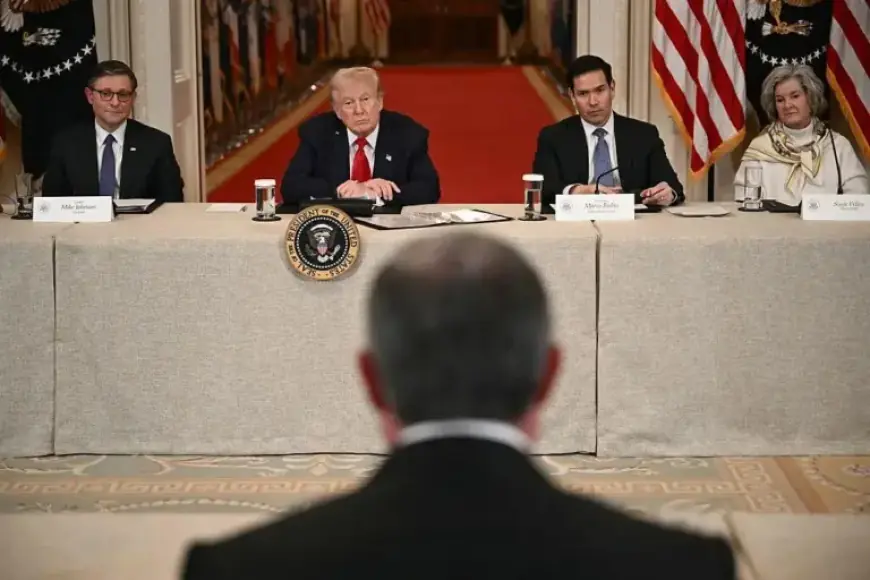
On Friday, a significant roundtable event took place at the White House, led by President Donald Trump, that focused on the challenges and future of college athletics. This meeting gathered more than 50 leaders from politics, business, and sports, highlighting the urgent need for reforms in college sports.
Key Participants and Events
The event featured prominent figures, including:
- Secretary of State Marco Rubio
- Florida Governor Ron DeSantis
- New York Yankees President Randy Levine
- Speaker of the House Mike Johnson
- Senator Ted Cruz
- NCAA President Charlie Baker
- Former College Football Coaches Nick Saban and Urban Meyer
- NBA Commissioner Adam Silver
Notably, the roundtable did not include current college athletes, despite commitments to consult them in future discussions. Trump expressed frustration with Senate Democrats, linking their opposition to the passage of necessary legislation.
Executive Order on College Sports Reform
During the meeting, President Trump announced his intention to sign an executive order within a week. He emphasized that this step was necessary due to gridlock in Congress and ongoing legal challenges affecting college sports. Trump mentioned previous executive orders, stressing that the new one would be “more comprehensive.”
The SCORE Act: A Proposed Solution
Much of the conversation centered on reviving the SCORE Act (Student Compensation and Opportunity through Rights and Endorsements). This bipartisan bill aims to create a national framework for athlete compensation, replacing varied state laws with limited federal protections for college sports.
Speaker Johnson indicated that momentum for a House vote on the SCORE Act could be building, a significant step considering its previous stagnation. The act promises to tackle various aspects of college sports, including:
- Limited antitrust exemptions
- Preemption of state laws regarding athlete compensation
- Preventing college athletes from being classified as employees
Challenges Ahead
Despite the positive discussions, the SCORE Act faces significant hurdles, particularly within the Senate. Senate Democrats have expressed concerns over athlete compensation and benefits, complicating bipartisan support.
Senator Cruz highlighted the requirement for 60 votes in the Senate, making the path to enactment a challenging one. The urgency of the situation is accentuated by the escalating financial strains many athletic departments face due to recent legal settlements.
Impact of Court Decisions on College Sports
Recent Supreme Court rulings have dramatically reshaped the landscape of college athletics. The unanimous decision in NCAA v. Alston highlighted the NCAA’s limitations in imposing restrictions on education-related payments to athletes.
These changes have contributed to a shift in the amateurism model, allowing athletes to earn compensation from name, image, and likeness rights.
Next Steps and Future Discussions
As the college sports industry grapples with these issues, the push for restructuring continues. A bipartisan proposal, the College Sports Competitiveness Act, seeks to allow schools to sell media rights collectively, echoing the financial models of professional leagues.
Those involved in Friday’s roundtable left with more questions than answers regarding how to effectively navigate these challenges. The focus remains on whether Trump’s executive order and the SCORE Act can drive meaningful change or if they will fall victim to ongoing partisan divides.
As discussions evolve, the need for consensus and strategic action remains critical for the future of college athletics.