ICE Assures Due Process for Nashville Reporter Arrested Under Trump Administration

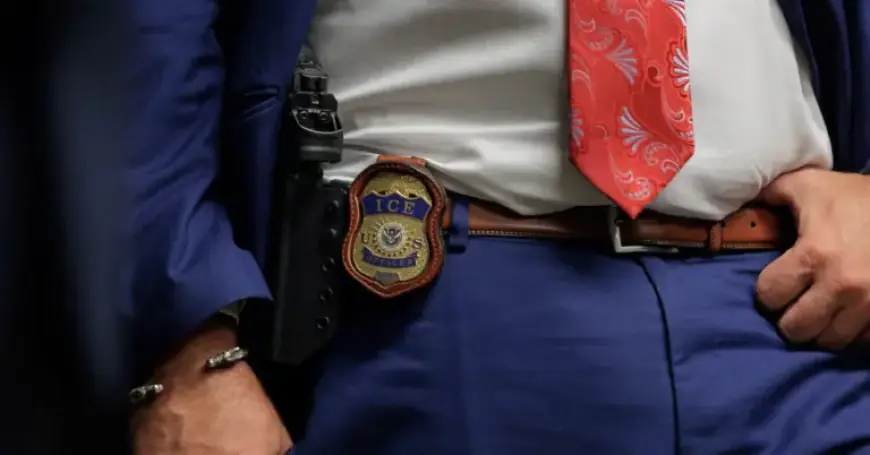
The recent arrest of a Colombian journalist in Nashville has sparked significant discussions about due process under the Trump administration. Estefany Maria Rodriguez Florez, who works for the Spanish-language outlet Nashville Noticias, was taken into custody by U.S. Immigration and Customs Enforcement (ICE) agents.
Background of the Incident
Rodriguez Florez was arrested on March 6 while sitting in a vehicle with her husband, marked with the Nashville Noticias logo, outside a gym. The ICE operation reportedly utilized an “administrative warrant” during her detention. According to her legal team, she has not faced any formal charges from ICE prior to this incident.
Due Process Assurance
In response to the arrest, the Department of Homeland Security (DHS) stated that Rodriguez Florez will receive full due process. The DHS emphasized that she remains in ICE custody while her immigration case unfolds. The agency has faced scrutiny for its practices, particularly regarding the rights of individuals it detains.
Rodriguez Florez’s Legal Status
Rodriguez Florez has lived in the United States for five years. Originally entering on a tourist visa, she later sought political asylum, married a U.S. citizen, and currently possesses a valid work permit. Her lawyers argue that she is actively pursuing adjustment of her status to become a lawful permanent resident.
Upcoming Developments
- Rodriguez Florez had a scheduled meeting with ICE’s Enforcement and Removal Operations on March 17.
- This meeting has been rescheduled twice: once due to inclement weather and again due to administrative errors.
Impact of ICE Policies
The treatment of Rodriguez Florez highlights broader concerns regarding ICE policies and their implications for free speech, particularly for journalists covering immigration issues. Rights advocates have criticized the approach taken by the Trump administration as creating an environment that threatens both safety and the fundamental rights of individuals.
As this situation unfolds, the case of Estefany Maria Rodriguez Florez will likely continue to draw attention to the intersection of immigration enforcement and journalistic freedom in the United States.