Will More Highguard Releases Transform the Gaming Industry?

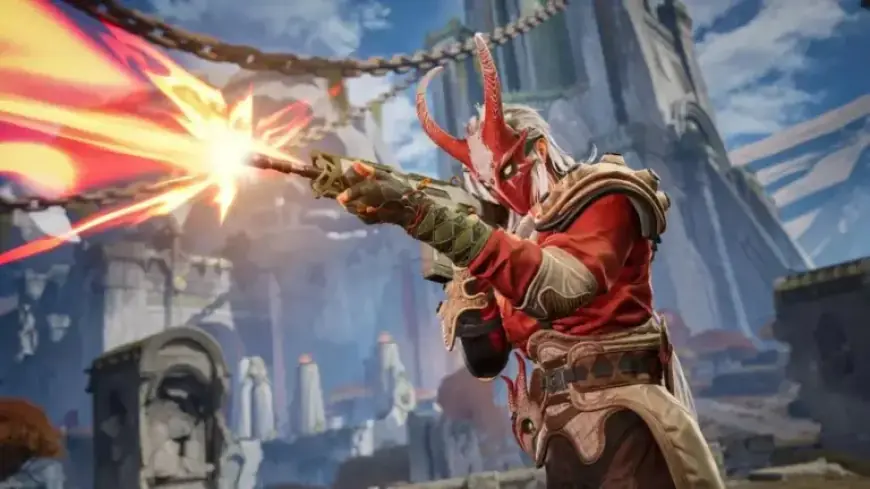
The gaming industry recently witnessed another setback with the shutdown of Highguard, a shooter developed by Wildlight Entertainment, just 45 days post-launch. This closure mirrors a concerning pattern among live-service games that struggle to maintain player interest, even shortly after impressive launches.
Highguard’s Brief Lifespan
Highguard will be taken offline on March 13, marking an unsuccessful run that is part of a larger trend in the gaming sector. During its brief time on the market, Highguard managed to attain nearly 100,000 concurrent players on Steam at launch. However, it suffered a massive drop, losing over 90% of its player base shortly thereafter.
Challenges Facing Live-Service Games
The trajectory of Highguard is emblematic of the risks live-service games face. Many are initially met with enthusiasm but often fail to capitalize on that momentum. The same fate befell Concord, which peaked with a mere 697 concurrent players before being shut down after just two weeks.
- Initial Interest: Highguard attracted significant players quickly but could not retain them.
- Market Saturation: An oversaturated market with numerous live-service titles competes for limited player attention.
- Monetization Issues: Many games resort to aggressive monetization tactics that can alienate players.
Historical Context of Live-Service Gaming
Over the years, live-service games have experienced varying degrees of success. Titles like Apex Legends have broken the mold by retaining player engagement. The industry, however, remains littered with failures as studios chase trends rather than focusing on innovation. Developers often invest millions and years of effort only to deliver a product that fails to resonate with gamers.
Industry Feedback Loop
Despite past failures, corporate executives continue pushing for big-budget projects in hopes of achieving blockbuster successes. This strategy often backfires, leading to studio layoffs and project cancellations. Recently, Sony shuttered Bluepoint Games, a studio known for its acclaimed remakes, after discontinuing work on an unannounced live-service project.
- Recent Trends: With around one-third of developers in the U.S. facing layoffs, live-service games have contributed significantly to job losses.
- Future Implications: The tendency to prioritize high-risk, high-reward projects raises concerns about the industry’s stability.
- Creative Risks: A risk-averse mindset limits innovation, hindering the development of unique gaming experiences.
Looking Ahead
The recent failures of games like Highguard and Concord raise important questions about the sustainability of the live-service model. As the industry navigates these turbulent waters, there is hope that valuable lessons will emerge. If not, the relentless pursuit of quick profits could lead the gaming industry down an unsustainable path, threatening the landscape of professional game development.
In conclusion, live-service games are at a crossroads. Developers must learn from past mistakes and adapt to changing player expectations to create experiences that resonate in a crowded market. The future of gaming may depend on a shift from trend-chasing to fostering creativity and innovation.