UAE-Qatar Tensions Escalate: Dubai Blasts, UAE Intercepts Iranian Missiles

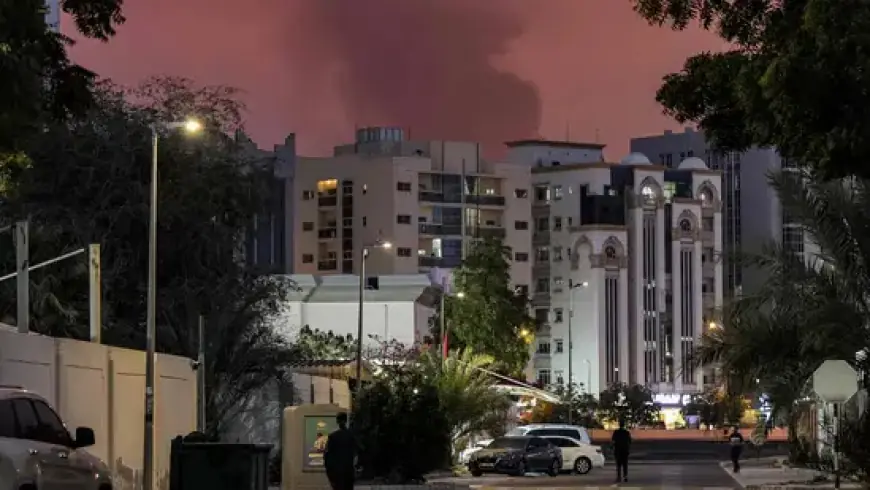
Recent tensions between Iran and the United Arab Emirates (UAE) have escalated, marked by missile attacks and blasts across Dubai and Abu Dhabi. On March 4, explosions were reported, with black smoke rising from the Fujairah port.
Missile Threats and Interceptions
On March 7, UAE air defense systems intercepted 15 ballistic missiles and 119 drones amid ongoing conflict related to U.S.-Iranian tensions. In total, the UAE has faced 221 ballistic missiles since attacks began, with an interception of 205 missiles and 14 landing in the sea. Two have struck UAE territory, resulting in three fatalities among foreign nationals and numerous injuries.
Public Alerts and Airline Responses
- Residents in Dubai and Qatar received security alerts regarding potential missile threats.
- Flyers faced disruptions, with over 100 international flights canceled due to the crisis.
- Airlines are cautiously resuming operations, but some flights were delayed as planes hovered near Dubai airport.
Government Reactions
Sheikh Mohammed bin Zayed Al Nahyan, UAE President, emphasized the nation’s readiness to confront threats, stating, “The UAE will emerge stronger.” His comments reflect a stance of resilience during what he termed a “time of war.”
As the situation evolves, various countries, including India and European nations, are planning repatriation flights for their stranded citizens in the Gulf region.
Iran’s Continued Aggression
Iran has pledged to continue its missile strikes against neighboring countries that it perceives as threats. The Iranian leadership has made it clear that it views the conflict through a lens of resistance against perceived aggression from the U.S. and its allies.
International Reactions and Concerns
As international tensions rise, government officials, including those from the UAE, are urging Iran to end its aggressive stance towards its neighbors. The hopes for a diplomatic solution are juxtaposed against the backdrop of continued military actions and regional instability.
With the situation continuing to develop, both regional and international stakeholders are closely monitoring the outcomes of this escalating conflict.