

























Trump Administration Explains Decision to Enter War with Iran: NPR

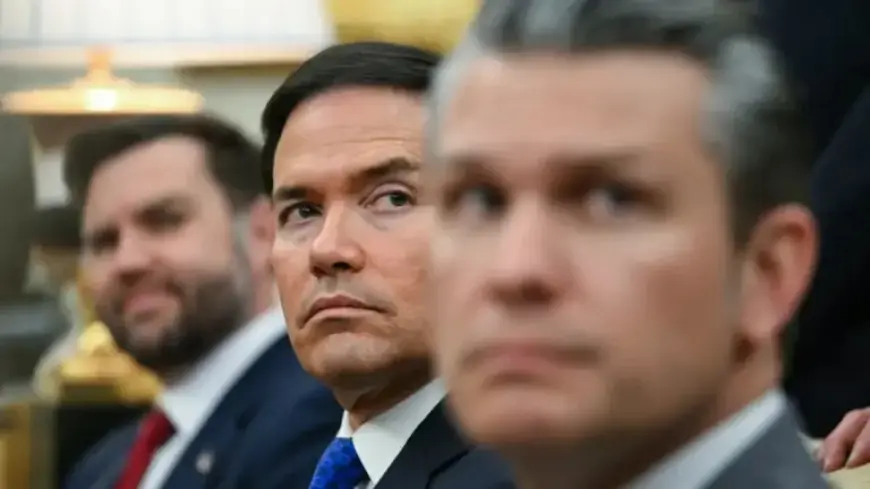
The decision by the Trump administration to launch military strikes against Iran has drawn considerable attention and controversy. Influential figures in the administration—including President Trump, Secretary of State Marco Rubio, and Defense Secretary Pete Hegseth—have presented differing justifications for their actions. While the administration professes a unified stance, their messaging reveals a multitude of motivations for the military engagement.
Key Justifications for the Military Strikes
Support for Protesters
- President Trump indicated military action could be triggered by Iran’s violent suppression of ongoing protests against its regime.
- He expressed solidarity with demonstrators, stating, “Help is on its way,” amidst the regime’s crackdown on dissent.
- Despite these assertions, specific threats to protesters were not highlighted as primary reasons for military action as the conflict escalated.
Longstanding Hostility
- During a meeting with German Chancellor Friedrich Merz on March 3, Trump remarked that Iran’s actions had gone unchecked for decades.
- He emphasized the necessity of dismantling Iran’s extensive network of proxy groups that have long been involved in regional conflicts.
Threat of Nuclear Weapons
- Trump stated U.S. military action was essential to preventing Iran from developing nuclear capabilities.
- He claimed strikes had successfully disabled critical nuclear sites, although a U.S. official later indicated the impact was minimal.
- U.S. intelligence assessments noted that Iran would not achieve long-range missile capabilities by 2035.
Preemptive Defense Strategy
- Secretary of State Marco Rubio stated the strikes were a preemptive measure to safeguard American military personnel against anticipated Iranian aggression.
- His comments indicated a belief that the situation required immediate U.S. action to prevent higher casualties.
Contradictions and Criticisms
Amid the administration’s resolve, several contradictions emerged regarding the rationale for military engagement. Trump’s assertions about regime change directly contradicted later statements from administration officials, who refrained from outlining regime change as a military objective.
Furthermore, Trump’s claims regarding past nuclear negotiations with Iran revealed a sense of frustration. He communicated that the negotiations had stalled, although some foreign officials maintained that progress was being made.
Future Implications
The Trump administration remains committed to ensuring that Iran does not achieve its military ambitions. As combat continues, the future of U.S.-Iran relations remains uncertain, with various stakeholders advocating for different approaches.
Overall, the complexities surrounding the U.S. military action against Iran demand careful consideration of both the motivations behind these strikes and their potential impact on international stability.