























Mexico Unveils Strategic World Cup Safety Plan

In light of recent violent incidents linked to drug cartels, Mexican authorities have unveiled a strategic World Cup safety plan. This initiative, announced on a recent Friday, will see the deployment of 100,000 security personnel aimed at ensuring the safety of attendees during this year’s World Cup tournament.
Response to Increased Violence
The security mobilization follows the killing of a prominent cartel leader, which triggered a wave of violence across 20 of Mexico’s 32 states. General Román Villalvazo, responsible for overseeing the security operations for the World Cup, emphasized the necessity of a robust security framework during a news conference.
Security Measures in Place
- Deployment of 100,000 security forces, including military and private security personnel.
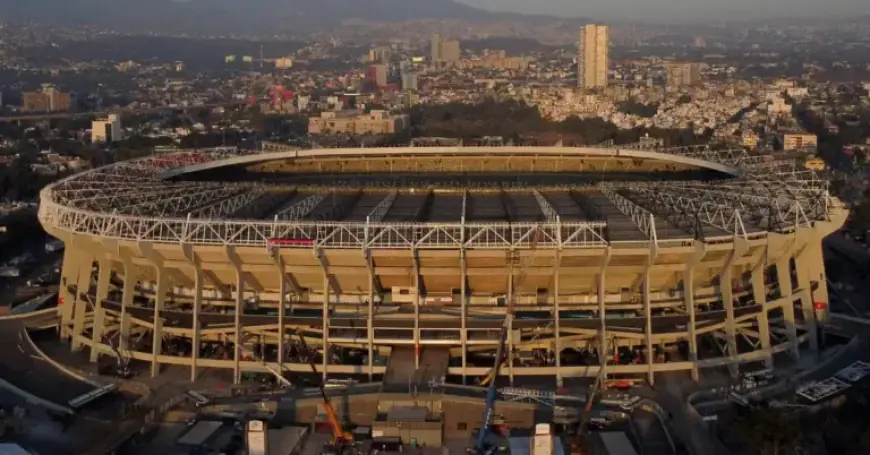
- Concentration of forces in host cities: Mexico City, Guadalajara, and Monterrey.
- Utilization of over 2,100 military vehicles, 24 aircraft, and 33 drones.
- Coordination of security perimeters around significant locations such as airports and stadiums.
President Claudia Sheinbaum reassured the public of the government’s preparedness, stating, “As you can see, we are very prepared for the World Cup.”
World Cup Context
The World Cup, scheduled to commence on June 11, will be co-hosted by Mexico, the United States, and Canada. Mexico will feature 13 matches: five in Mexico City, four in Guadalajara, and four in Monterrey. This event marks the first occasion Mexico has hosted the World Cup three times.
Crowd Expectations and Tourism Impact
Officials anticipate approximately 5.5 million visitors for the tournament. In addition, efforts are underway to enhance Mexico’s image as a safe destination through publicity campaigns and testimonials from tourists expressing their safety experiences. In 2022, Mexico saw nearly 50 million international tourists, solidifying its position among the world’s top-ten most-visited countries.
Addressing Safety Concerns
In the wake of escalating violence following the assassination of drug lord Rubén Oseguera Cervantes (alias El Mencho), government officials are keen to regain public trust. The recent violence resulted in at least 62 fatalities and numerous attacks on security forces.
Michelle Fridman, the tourism secretary for Jalisco, noted the significance of a swift government response to restore confidence. Following the violent outbreak, the U.S. Embassy in Mexico City lifted its travel restrictions within three days. Fridman acknowledged the severity of the situation but reassured that such incidents are not commonplace.
Coordination with FIFA
On Wednesday, Mexican officials met with FIFA representatives to finalize security strategies. FIFA President Gianni Infantino expressed his complete confidence in Mexico’s ability to host a secure World Cup. Despite recent tensions, both Mexican and FIFA officials remain optimistic about the tournament’s success.
The government is taking proactive measures to showcase a safe and organized environment as millions prepare to visit for the World Cup.