
























Kurds’ Role in Iran Conflict: Who They Are and Their Impact

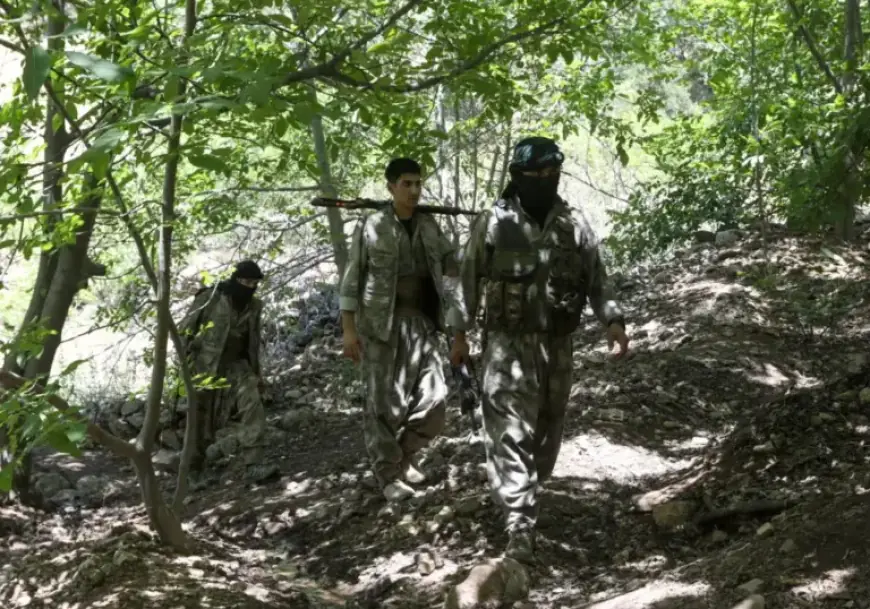
Kurds play a significant role in the ongoing conflict in Iran. With over 30 million Kurds existing as a minority across Turkey, Iraq, Iran, and Syria, they remain one of the largest stateless ethnic groups globally. Recently, thousands of highly trained Kurds in northern Iraq have prepared for a possible military operation across the Iranian border, reportedly supported by the United States.
The Kurdish Identity
The Kurdish population primarily resides in the regions bordering Iran, Iraq, and Turkey. The approximately 9 million Kurds in Iran have long faced systemic discrimination from both Iranian authorities and the previous monarchy. They mostly speak their own languages and predominantly follow Sunni Islam, yet they have sought greater autonomy, striving for a nation known as Kurdistan.
Kurdish Opposition in Iran
Over the years, various Kurdish groups have rebelled against Iranian authorities. These groups have formed bases in Iraq, contributing to regional tensions. Recently, five Iranian Kurdish factions formed a coalition aimed at establishing the Kurdish right to self-determination. Abdullah Mohtadi, secretary general of one prominent party, expressed optimism about this coalition, stating it marks a historic step for Kurdish unity.
The Role of the United States
Historically, the Kurds have not benefited from consistent U.S. support. Past U.S. administrations have failed to protect Kurdish interests during critical conflicts, resulting in harsh repercussions for Kurdish communities. Notably, President Trump’s actions in Syria further complicated the Kurds’ situation by allowing the Syrian forces to seize previously held territories.
Tensions with Neighboring Countries
Turkey’s stance on Kurdish groups adds another layer to this complex situation. As a NATO member, Turkey is unwilling to permit arms to be supplied to Kurdish guerrillas, fearing it would exacerbate the ongoing conflict within its borders. Turkey labels the PKK (Kurdistan Workers’ Party) and its affiliated groups as terrorist organizations, complicating the dynamics for Kurdish movements.
The Regional Impact of Conflict
- U.S. military actions against Iranian targets have prompted retaliation, including strikes on U.S. bases in Iraq.
- Kurdish groups in Iraq have moved closer to the Iranian border, heightening fears of conflict escalation.
- Local political leaders in Iraq express concerns over launching attacks from their territory, prioritizing stability.
The Kurdish presence and actions in this escalating conflict illustrate their important yet precarious role in regional geopolitics. As tensions rise, the involvement of Kurdish forces—alongside global powers like the U.S.—could significantly impact Iran’s security landscape and broader regional stability.
As one of the key players in the unfolding scenario, the Kurds aim to assert their influence amidst a backdrop of historic oppression and complex international dynamics.