

























Appeals Court Confirms Protected Status for 350,000 Haitians

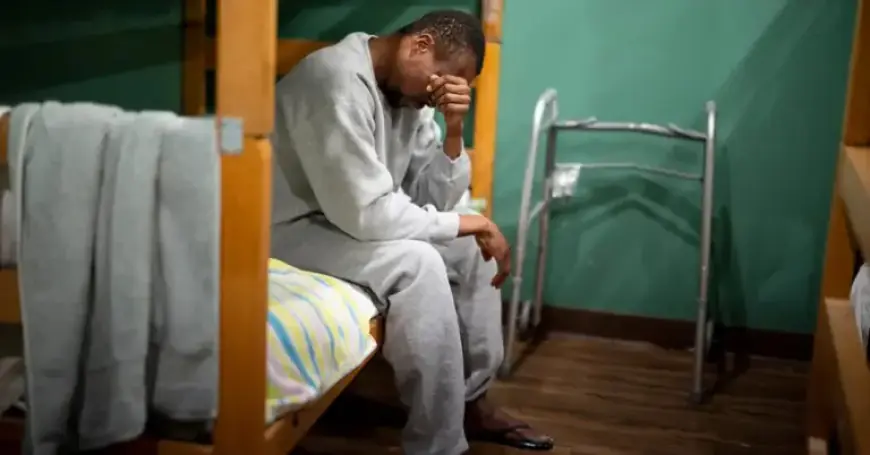
A federal appeals court upheld a previous ruling affirming the Temporary Protected Status (TPS) for over 350,000 Haitians residing in the United States. This decision, which stems from a lawsuit against the Trump administration’s termination of TPS, allows Haitians to remain in the country legally and work while the case continues in court.
Appeals Court Decision Overview
The U.S. Court of Appeals for the D.C. Circuit issued a 2-to-1 ruling late Friday, confirming that the termination of TPS for Haitians was unlawful. This decision followed a prior ruling from District Judge Ana C. Reyes, who noted that the Trump administration failed to adequately assess conditions in Haiti before making its decision.
Background on Temporary Protected Status
Established in 1990, TPS allows individuals from countries facing severe crises to live and work in the U.S. without fear of deportation. The program has been extended multiple times for Haiti due to enduring humanitarian crises and escalating security threats.
Current Legal Situation
The case began when the Department of Homeland Security announced its intent to terminate TPS for Haiti, effective February 3. Following this directive, the government requested an appellate court stay on Judge Reyes’ order, which prevented the TPS termination. The appeals court denied this request, emphasizing that the plaintiffs were likely to succeed in court.
Government’s Arguments and Court’s Reactions
- The government argued the district court’s ruling harmed its authority.
- The court countered that the government failed to prove “irreparable harm.”
- The court highlighted the substantial and well-documented risks faced by TPS recipients.
Community Impact and Reactions
Geoff Pipoly, lead counsel for the plaintiffs, expressed satisfaction with the ruling, stating it ensures Haitian TPS holders can remain safely in the U.S. for now. The ruling is particularly significant for communities in states like Florida, New York, and Massachusetts, where many Haitians reside.
In Springfield, Ohio, home to over 10,000 Haitians, local leaders have closely monitored the situation. Carl Ruby, a local pastor, acknowledged the anxiety felt by Haitian residents regarding their future. He stated, “Until the Supreme Court affirms the ruling, their future hangs in the balance.”
Next Steps
The Trump administration is expected to appeal this ruling to the Supreme Court. This ongoing legal battle underscores the complexities and political implications surrounding immigration policy and protected status for vulnerable populations.