

























F1 Qualifying: Pecking Order Emerges in Melbourne After Friday Practice

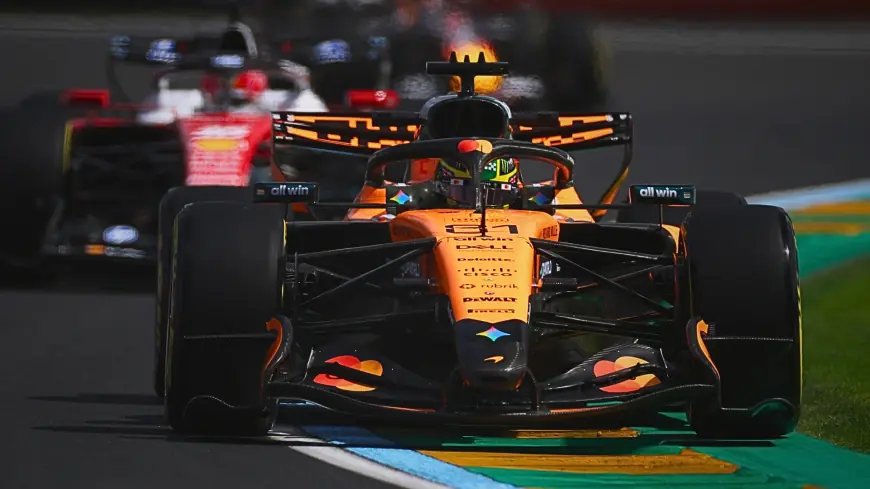
Friday's running at Albert Park offered the first meaningful snapshot of how teams might line up when f1 qualifying begins, as two one-hour practice sessions narrowed an uncertain field. The results matter because a major regulation overhaul for 2026 left pre-season testing inconclusive, and Friday's sessions provided measurable data on both single-lap and long-run pace.
F1 Qualifying order in Melbourne after two practice sessions
Teams completed two one-hour practice sessions on Friday at the season-opening Australian Grand Prix, and those sessions produced clearer indications of pace ahead of the final practice and qualifying scheduled later in the weekend. Formula 1's data placed the reigning world champions quickest in both qualifying and race simulation metrics, suggesting strong balance across short- and long-run work.
Oscar Piastri, the local favourite, struggled early when a loss of power curtailed his running in FP1 and forced extra time in the garage. That limited running left him off the top early, but he returned to lead the timing screens in the second session. Drivers and teams are expecting further improvements overnight: Piastri predicted everyone would "find a big step overnight" ahead of qualifying.
Oscar Piastri and McLaren's weekend swing
McLaren, which had been the dominant team in 2025, arrived in Melbourne under new technical regulations for 2026 that have shuffled expectations. Piastri's interrupted FP1 was the clearest example of how small issues can affect preparation—the immediate effect was reduced running that hampered his opening pace, but the team and driver managed a turnaround to top FP2 times.
That flip between sessions underscores the broader cause-and-effect unfolding across the paddock: the regulation shake-up produced uncertainty coming into the weekend, and operational hiccups or quick fixes during practice determine who arrives at qualifying in a position to exploit any overnight gains. What makes this notable is how quickly teams converted limited data into a clearer hierarchy at Albert Park.
Aston Martin, Mercedes and the grid picture
Not every team enjoyed a trouble-free start. Aston Martin faces uncertainty over its ability to run on Sunday because of issues with its Honda engine, a problem that could prevent the team from taking part in the race if not resolved. That risk illustrates a direct line from mechanical reliability in practice to the potential of missing the race entirely.
Elsewhere, Charles Leclerc expressed wariness about a Mercedes threat, stating the team felt "on the back foot" as rivals showed pace. The weekend list of drivers confirms the grid lineup: McLaren fields Lando Norris and Oscar Piastri; Mercedes runs George Russell and Kimi Antonelli; Red Bull has Max Verstappen and Isack Hadjar; Ferrari pairs Charles Leclerc with Lewis Hamilton. The entry list also highlights that the rookie crop has thinned: last year saw six newcomers, but this season features a single rookie, 18-year-old Arvid Lindblad.
Officials have framed the session times and simulation runs as early evidence rather than final verdicts. Teams will return to the circuit knowing that one more practice and then f1 qualifying stand between them and the race grid, and that small gains overnight can have outsized effects on starting positions and race strategy.
With 11 teams contesting the championship under the new regulations and a compressed window to refine setups, Friday's sessions at Albert Park were decisive in narrowing the early pecking order — but the true lineup will only be set once the remaining practice and qualifying are complete.