





















Reilly Opelka’s Wildcard Return with Sinner Raises the Stakes for Doubles Fans at Indian Wells

For spectators who prize big-serving drama and high-risk, high-reward doubles, the pairing of reilly opelka with Jannik Sinner — awarded a wildcard — instantly recalibrates the opening rounds of Indian Wells. Their reunion as a past title-winning duo puts a spotlight on how top singles names crossing into doubles can change momentum, viewership and the tactical matchups fans should care about from day one.
Reilly Opelka and Sinner’s wildcard: what fans and players will feel first
Giving a wildcard to this Sinner/Opelka pairing forces an early rethink for anyone planning which doubles matches to watch. Jannik Sinner brings a top-tier singles profile into the draw while Opelka’s 6-foot-11 serve converts doubles points into immediate pressure; together they recreate a dynamic that once won them a title in Atlanta. For tournamentgoers and viewers, that combination promises short, explosive points and a test of the established doubles craft of their opponents.
Here’s the part that matters: the duo face top seeds Marcel Granollers and Horacio Zeballos in the first round, a match that juxtaposes singles firepower against seasoned doubles coordination. If you follow doubles to see contrasting styles collide, this is the type of early-round match that can define the week.
- Wildcard pairing reunites a past title team and immediately takes on the draw’s top seeds.
- Fans should expect high-variance service games and frequent net rushes where a few points swing a set.
- A strong opening result here would be an early indicator that singles stars remain potent in doubles formats.
- Players known for doubles craft now face adapting to a different rhythm — and that shift matters for practice and match planning.
How the draw rearranges familiar storylines
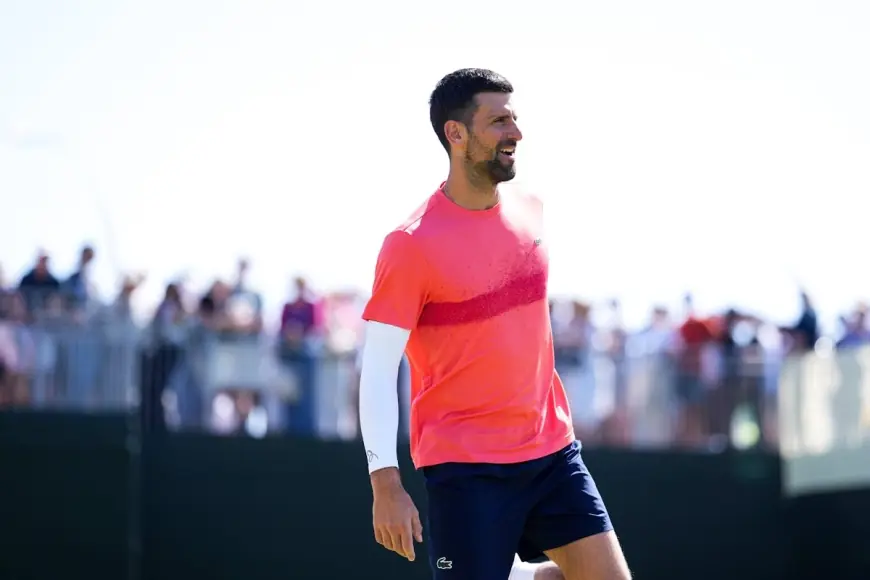
The doubles draw at Indian Wells this year blends headline singles names with established doubles specialists, creating immediate marquee matchups. Novak Djokovic and Stefanos Tsitsipas received a wildcard to play together; Djokovic hasn’t played doubles at Indian Wells since 2019 and previously reached the 2019 semifinals with Fabio Fognini. The Serbian–Greek tandem opens against the defending champions Marcelo Arevalo and Mate Pavic, a heavyweight first-round test.
Other matchups add to the intrigue: Jannik Sinner and reilly opelka (wildcard) versus top seeds Marcel Granollers and Horacio Zeballos is one highlighted clash. Daniil Medvedev teams with Learner Tien to face cousins Arthur Rinderknech and Valentin Vacherot; that pairing follows an unusual recent singles rivalry between Medvedev and Tien. Vacherot’s unlikely run as a qualifier who topped Rinderknech in the Shanghai Masters final in October is another reminder that lower-ranked entries can produce headline moments in doubles draws.
It’s easy to overlook, but Djokovic also played doubles at Doha 2025 with Fernando Verdasco in the Spaniard’s farewell tournament, showing that top singles players have been re-entering doubles play in recent events.
The real test will be how these mixed-profile matchups play out under tournament pressure: will singles stars carry their form into coordinated doubles success, or will experienced doubles teams neutralize individual weapons with strategy and positioning? A few early wins by headline pairings would signal a notable shift in how players allocate effort across singles and doubles.
Key takeaway cues for viewers and bettors alike: a first-round win over an established doubles pair signals serious doubles intent; close first-round exits by singles stars underscore the different demands of partnership; and any deep run by headline duos will reshape narratives around cross-entry into doubles competition.