
























Jonathan Aranda: Why the Rays’ Spring Headlines About Caminero Could Reshape Postseason Decisions

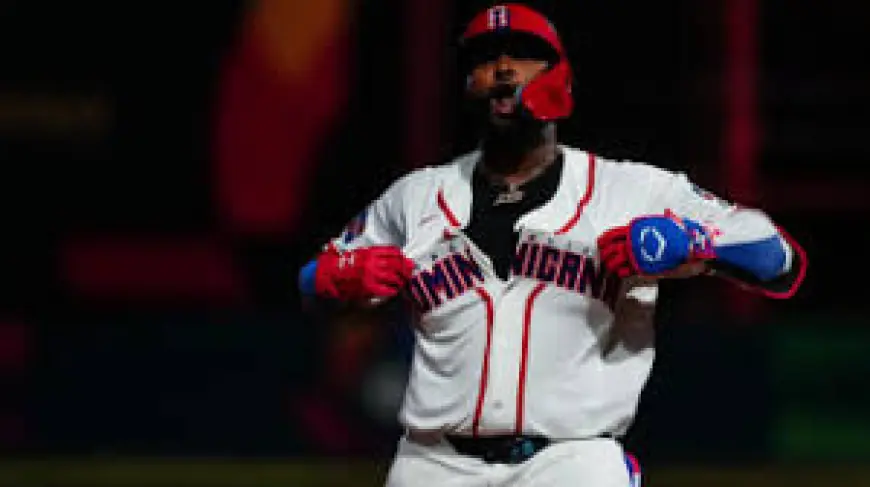
For readers searching jonathan aranda, the bigger conversation unfolding during Rays Spring Baseball is less about one exhibition game and more about roster priorities. With a hometown crowd energized by a performance described as "4 screamers" and a clear push from Rays’ Cash who said, "We need to get him to the postseason, " the immediate consequence is a recalibration of who the team will actively try to carry into October.
Jonathan Aranda and the immediate consequences for roster planning
Here’s the part that matters: public momentum from spring showings can force front-office trade-offs and short-term roster flexibility. The combination of a high-profile outing — characterized in coverage as four standout pitches — and an explicit managerial aim to include the player in postseason plans raises the stakes on evaluation windows, workload management, and how the club prioritizes available roster slots.
- Spring performance spotlight can compress decision timelines for coaching and front-office staff.
- When a manager voices a postseason goal for a player, the team is likely to weigh short-term carryover value more heavily than purely developmental timelines.
- Fans and local attention — described here as a hometown crowd reaction — change optics and can influence internal urgency.
It’s easy to overlook, but managers’ public statements often reflect private evaluations that are already in motion. The real question now is whether that vocal push converts into roster moves that prioritize immediate postseason access over long-term roster construction.
Event details embedded: what the spring coverage shows without re-telling the game
Three short, verifiable items frame the current moment: coverage noted a four-screamer performance that energized a hometown audience; the manager framed a clear postseason objective for the player; and these developments occurred within the wider context labeled simply as Rays Spring Baseball. From those points alone, the clear inference is that spring play has moved from exhibition tests to consequential auditions for October roster thinking.
Key takeaways to keep in mind:
- Momentum is measurable: standout outings that draw public attention can shorten evaluation windows.
- Managerial emphasis on postseason inclusion signals internal intent to accelerate roster decisions.
- Local crowd response changes the narrative around a player’s readiness and perceived value.
- Spring glimpses are not final verdicts; they are triggers for further roster conversations.
What’s easy to miss is that headlines emphasizing both performance (the four notable pitches) and a managerial directive (the desire to get the player to October) act together: one supplies the evidence, the other signals the organizational will to act on it.
If you’re wondering why this keeps coming up, consider this: the shift from press-box applause to postseason planning is where short-term strategy meets long-term construction, and that tension will define subsequent roster moves as the spring period concludes.
The real test will be whether the managerial push translates into concrete steps—changes in workload, placement on key rosters, or other moves that prioritize immediate postseason eligibility. Those are the next signals to watch as the spring phase evolves.