
























Ryan Strome’s Return Shakes Up Anaheim’s Short-Term Depth and Market Outlook

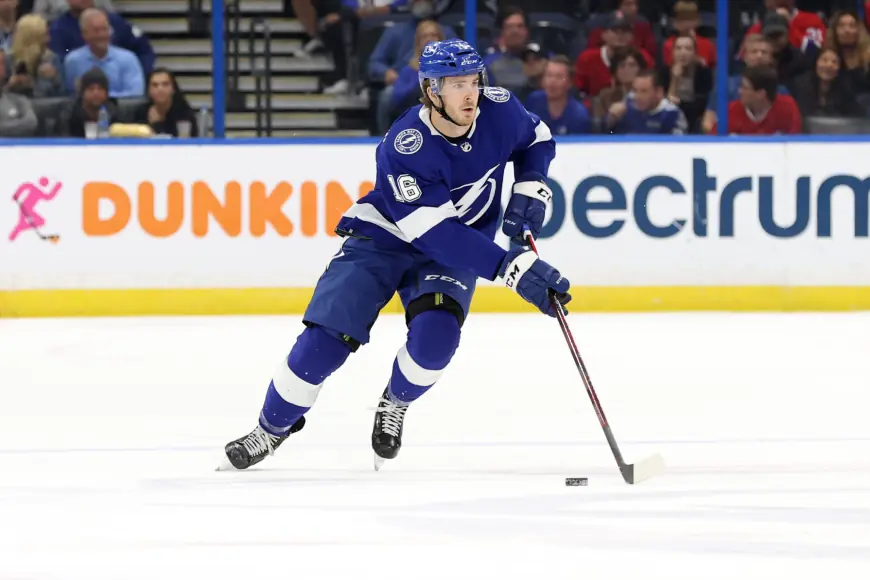
Who feels the immediate impact? The Ducks’ middle-six and the team’s trade flexibility do. ry an strome’s assist in a 5-1 win and his first game action since Jan. 26 reinsert a veteran option into a crowded roster, nudging minutes distribution and renewing the practical question of whether Anaheim will convert roster availability into a market move before offers harden.
Ryan Strome and the immediate roster ripple
Here’s the part that matters: Strome logged an assist and finished plus-2 in a 5-1 victory, stepping back into the lineup after missing time. His presence changes the short-term chessboard — more veteran depth at center, fewer emergency shifts for other forwards, and a recalibration of which players are available to be moved if the team chooses to listen to offers.
Strome’s return also touches the Ducks’ decision-making at deadline proximity. The organization has been described as willing to listen to offers for veteran pieces, and Strome’s appearance highlights that any trading decision would now factor in a healthy, recently active version of the 32-year-old rather than one sidelined by illness or absence.
Details from the game and season context
- Game impact: Strome logged an assist and a plus-2 rating in a 5-1 win over the Islanders; he skated 15: 01 in that game.
- Recent availability: This was his first game action since Jan. 26; he missed some time while ill earlier in the week.
- Season totals: Across 33 appearances he has nine points, 35 shots on net, 16 hits, 27 penalty minutes and a minus-5 rating.
- Contract and role: He is a 32-year-old right-shot center signed through 2026-27 at a $5 million average annual value; his role on the roster has diminished as the team has sometimes dressed seven defensemen.
- Performance trend: He is in line to fall short of the 40-point mark for the first time since 2018-19, a season split between the Oilers and Rangers.
What’s easy to miss is that the combination of recent game action and an extended contract alters the calculus for trade chatter: a healthy, active veteran with term can be both a useful immediate option and a measurable cost for acquiring teams.
- Is a trade likely now? The Ducks are listening to offers but don’t appear to be aggressively shopping him; a trade could happen if an attractive bid arrives, and that calculation now includes his recent return to play.
- How did he look in his return? He produced an assist, a plus-2 rating and skated 15: 01 — the sort of contribution that makes him an immediately usable forward rather than a longer-term project.
- Who feels the impact first? Immediate effect falls on the Ducks’ depth chart and on the allocation of minutes among middle-six forwards; outside the club, teams weighing short-term help versus contract cost will reassess interest.
The real question now is whether that single game of action materially shifts front-office appetite: clubs considering offers will factor in both recent availability and the $5 million AAV commitment stretching through 2026-27. Details may evolve as the roster and market move in the final hours before the deadline.
The real test will be whether one productive appearance convinces another club to meet the contract reality or whether Anaheim decides the best value comes from keeping an experienced center on hand.