
























Kuwait Halts Production; Qatar Warns Oil Prices May Hit $150 Soon

In recent statements, Qatar’s Energy Minister Saad al-Kaabi warned that oil prices could surge to $150 per barrel soon. This price spike is contingent upon the continued closure of the vital shipping route, the Strait of Hormuz.
Kuwait’s Oil Production Halt
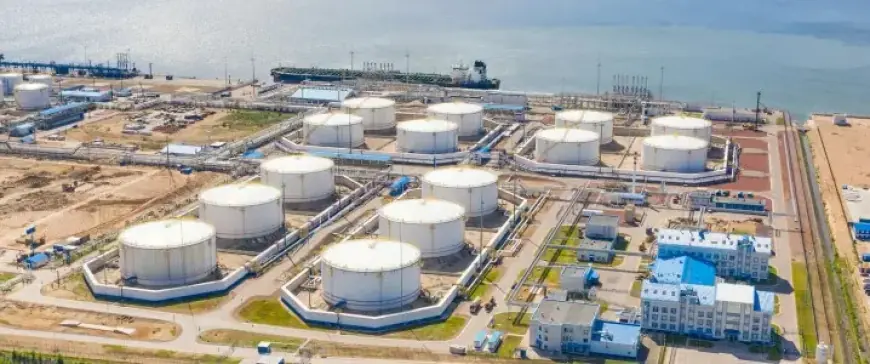
Hours after al-Kaabi’s forecast, news emerged that Kuwait is halting production at certain oilfields. The government’s decision stems from a lack of storage capacity for excess oil, which has been compounded by ship traffic disruptions in the Strait of Hormuz. Kuwait’s production cuts might also extend to refining operations, targeting levels suitable for domestic demand.
Impact on Regional Oil Exports
According to sources familiar with the situation, other Middle Eastern oil exporters are preparing to declare force majeure on exports. If the closure of the Strait of Hormuz persists, these measures could take effect swiftly.
- Current Shipping Situation: Vessel traffic in the Strait of Hormuz has plummeted from an average of 138 ships daily to just two.
- Stranded Vessels: Numerous tankers are currently stranded near the Strait, and some have suffered attacks.
- Insurance Challenges: Insurers are pulling coverage from war risks, complicating international shipping.
Qatar has already halted liquefied natural gas (LNG) production at its Ras Laffan facility, which is the world’s largest LNG complex. Following a drone attack at this site, Qatari officials have issued force majeure notices to their buyers.
Global Economic Concerns
Al-Kaabi indicated that if the conflict persists, global economic growth could suffer significantly. Even with a resolution to the conflict, he noted it might take Qatar “weeks to months” to resume regular energy deliveries.
The situation in the Middle East underscores the delicate balance of oil supply and the far-reaching implications of geopolitical tensions on global markets. Stakeholders across the industry will be watching closely as developments unfold.