

























House Votes to Block Trump’s Iran Actions: “He’s Not a King,” Say Democrats

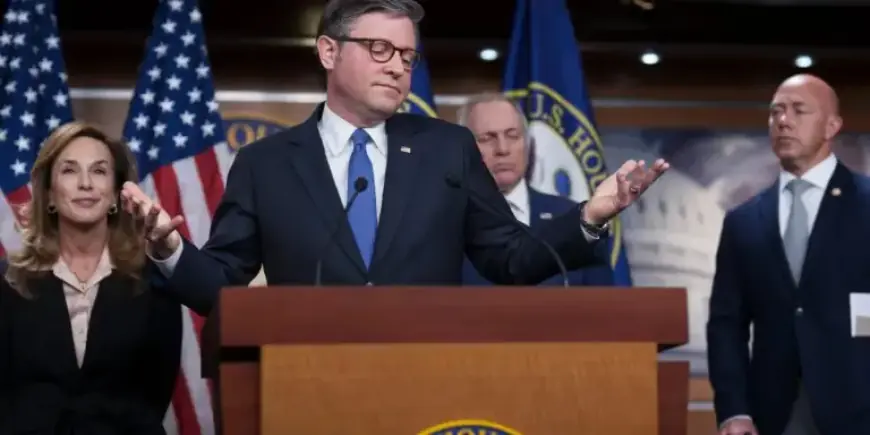
In a significant political move, the House voted against President Trump’s actions regarding Iran, asserting that “He’s Not a King.” The resolution underscores the ongoing debate over war powers and presidential authority. The House tally stood at 212-219, reflecting a divided Congress on military engagement.
House Vote Highlights
This was the second vote in as many days, following the Senate’s defeat of a similar measure. Lawmakers are currently navigating the complexities of representing Americans who are wary of escalating military conflicts.
- Vote outcome: House 212-219 against Trump’s Iran actions.
- Context: A reaction to Trump’s decision to go to war without congressional approval.
- Significant remarks: “Donald Trump is not a king,” stated Rep. Gregory Meeks.
Concerns Over Executive Power
The resolution challenge raised concerns over the President’s unilateral war decisions. With the conflict echoing past wars in Iraq and Afghanistan, it has become a pivotal topic among veterans in Congress.
- Rep. Jamie Raskin emphasized that only Congress has the authority to declare war.
- In contrast, Republican support for Trump’s actions is based on viewing the conflict as a necessary step to address Iranian threats.
Debate on Iran’s Role
The House also passed a measure affirming Iran as the largest state sponsor of terrorism. This reflects the nationwide apprehension surrounding the increased military actions against Iran, especially after the killing of its Supreme Leader, Ayatollah Ali Khamenei.
Public Opinion and Military Actions
As U.S. military operations escalated, hundreds of Americans abroad have sought evacuation. Reports indicate that over 1,230 Iranians have died amid the heightened conflict arising from Trump’s military actions.
- U.S. military losses: Six service members were killed in a recent drone strike.
- Casualty concerns: Trump warned that more American lives could be at risk.
The Senate’s Position
The Senate recently faced similar resolutions regarding war powers, reflecting a partisan divide. Senate Democratic leaders positioned themselves against Trump’s military actions, urging a more restrained approach.
- Sen. Chuck Schumer indicated the vote would reveal senators’ true loyalties.
- The Senate resolution failed with a 47-53 vote, highlighting the ongoing conflicts within Congress on military strategy.
Future Implications
With ongoing tensions, Congress may consider new resolutions. Some Democrats proposed allowing the President a limited timeframe to conduct military operations before seeking further approval. This suggests an evolving legislative stance on presidential power in military contexts.
The outcome of these debates is critical. As the world watches, members of Congress must weigh the consequences of military action and the future of U.S.-Iran relations. It remains a delicate balance between ensuring national security and upholding democratic principles.