

























Airline Shares Dip Amid Cautious Resumption of Gulf Flights and Rising Oil Prices

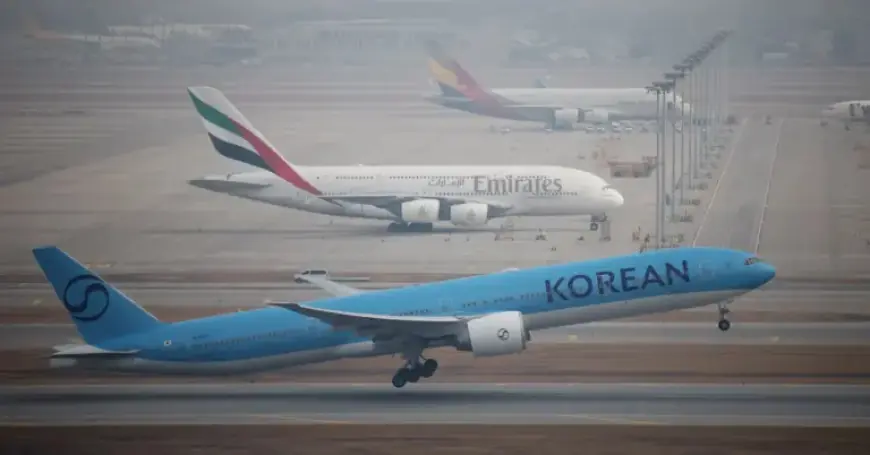
Airline shares saw a decline as oil prices increased amid rising tensions in the Middle East. The ongoing U.S.-Israeli conflict with Iran has resulted in restricted airspace across the region. In response, airlines and governments are organizing repatriation efforts for stranded citizens.
Current Situation of Airlines and Flights
As of March 5, 2026, over 19,000 flights have been canceled across seven major airports in the Middle East. This disruption began following the military actions against Iran on February 28. Many governments have arranged charter flights to assist in evacuating their citizens from the affected areas.
Limited Flight Resumptions
- Etihad Airways: Limited flights from March 6 to March 19 to destinations including Cairo, New York, and Paris.
- flynas: Announced exceptional flights between Saudi Arabia and Dubai starting March 6.
Despite these limited resumption efforts, overall air traffic remains significantly below normal levels. Data from Flightradar24 indicates that traffic at Dubai International Airport has only recovered to about 25% of typical activity.
Impact on Airline Shares
U.S. and European airline stocks are under pressure due to the conflict. Southwest Airlines and American Airlines, along with others, saw declines between 4% and 9%. The NYSE Arca Airline index fell approximately 6% as concerns over prolonged route closures and rising fuel costs intensify.
Global Fuel Price Surge
Jet fuel prices have reached unprecedented levels in recent days. This spike in fuel costs poses a significant risk to airline profitability, especially for those without fuel hedging strategies in place. Fuel remains one of the largest expenses for airlines, often ranking second only to labor costs.
Regional Airspace Closures
Azerbaijan has closed portions of its airspace due to Iranian drone activity, exacerbating flight restrictions in the region. The southern area is affected, while critical corridors for Asia-Europe flights remain operational.
Ongoing Repatriation Efforts
- Emirates and Etihad are operating limited flights through safe air corridors.
- Qatar Airways has scheduled relief flights from Oman to several European cities.
- More than 17,500 U.S. citizens have returned home since the onset of the conflict.
The uncertainty surrounding the conflict continues to create challenges for the aviation industry, leading to strained operations and fluctuations in share performance. As the situation evolves, airlines may need to adapt rapidly to new developments in the region.