
























Octopus CEO Calls on UK to Harness North Sea Oil for Price Stability

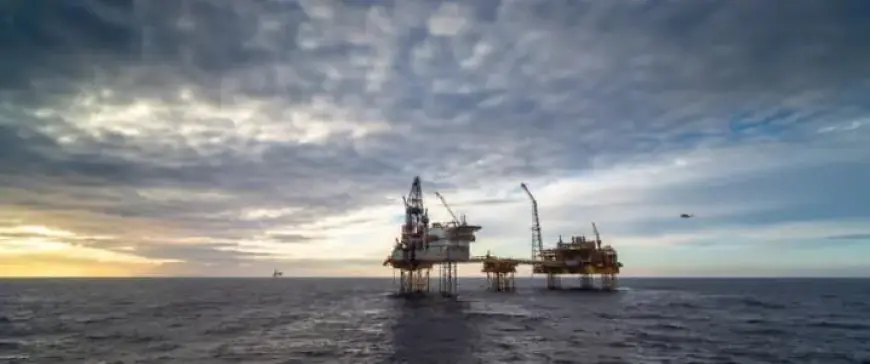
Greg Jackson, founder of Octopus and government adviser, has made a compelling case for the UK to utilize its North Sea oil reserves. He urges the Labour party to reconsider its stringent net-zero policies in light of current energy price challenges. Jackson believes the country is facing an imminent energy crisis exacerbated by geopolitical tensions in the Middle East.
North Sea Oil: A Solution for Price Stability
Jackson stated that the UK must act to avoid economic fallout. He emphasized that there is no point in importing gas when it is readily available offshore. The ongoing conflict has already led to a doubling of global gas prices and a significant increase in UK wholesale electricity costs.
Economic Consequences of Rising Energy Prices
- Global gas prices have surged by 100% since the Strait of Hormuz was impacted.
- Wholesale electricity prices in the UK have increased by approximately 50%.
- Higher energy prices contribute to inflation, which can lead to increased interest rates.
Jackson has called for reducing the financial burden on consumers by eliminating subsidies for initiatives like carbon capture and hydrogen projects from energy bills. His remarks come as pressure mounts on Energy Secretary Ed Miliband, who remains committed to net-zero policies.
Growing Call for Exploration
Opposition parties advocate for the lifting of restrictions on North Sea exploration. Former President Trump has also urged Sir Keir Starmer to lessen taxes on energy companies operating in the region. Recent analyses by the Resolution Foundation predict that sustained oil and gas price increases could add an additional £500 to energy bills for households later this year.
Government’s Response
Discussions are ongoing within the government regarding energy pricing strategies. The Chancellor has signaled intentions to replace the current energy profits levy with a new taxation mechanism that aligns with market and revenue trends. However, uncertainties remain due to ongoing conflicts affecting oil and gas pricing.
The Chancellor has confirmed her commitment to phasing out the energy profits levy, a promise she reiterated despite the unforeseen challenges presented by the geopolitical situation. In the House of Commons, Starmer highlighted the importance of decarbonizing the electricity grid to mitigate reliance on international energy markets.
As discussions progress, stakeholders in the energy sector are closely monitoring potential regulatory changes that could provide relief amid rising costs for consumers.