
























Ottawa to Fund Bay du Nord Oil Project’s Potential $1B UN Fees

The Canadian government has pledged to cover fees related to the Bay du Nord oil project, which could total approximately $1 billion under a United Nations convention. This decision has sparked criticism from environmental groups that argue taxpayer funding should not be allocated to support oil companies.
Details of the Bay du Nord Project
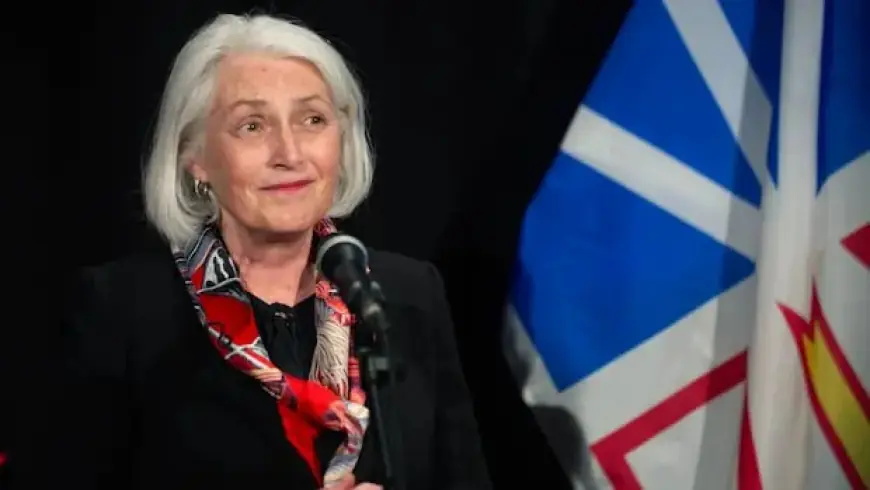
Federal Fisheries Minister Joanne Thompson announced this commitment during an event focused on the benefits arrangement between Newfoundland and Labrador and the Norwegian energy firm Equinor. Set to be Canada’s first deepwater oil installation, Bay du Nord will also be the first project developed outside Canada’s exclusive economic zone, as defined by the United Nations Convention on the Law of the Sea (UNCLOS).
Funding Responsibilities
The financial obligation for the project’s UNCLOS fees has been a contentious topic for years. Newfoundland and Labrador asserts that Canada should handle these costs. John Fragos, a spokesperson for Federal Finance Minister Francois-Philippe Champagne, emphasized the government’s commitment to fulfilling its international treaty obligations. He stated that payment responsibilities would fall solely on the federal government.
Officials noted that fees linked to the project could escalate to $1 billion. Canada ratified UNCLOS in 2003, specifying that payments would be made to the International Seabed Authority for any resource developments occurring outside its exclusive economic zone, which extends 370 kilometers or 200 nautical miles offshore.
Fee Structure
The fee structure is designed such that payments commence five years post-production and begin at one percent of the production value or oil volume. These payments increase by one percentage point annually until they stabilize at seven percent for the project’s duration.
| Year of Production | Percentage of Production Value |
|---|---|
| Years 1-5 | 0% (no payments) |
| Year 6 | 1% |
| Year 7 | 2% |
| Year 8 | 3% |
| Year 9 | 4% |
| Year 10 and beyond | 7% |
Environmental Concerns
Danielle LaBrash from the International Institute for Sustainable Development highlighted that funding these royalties for Equinor amounts to a subsidy, essentially transferring wealth from Canadian taxpayers to a foreign oil company. This has raised alarms at a time when public funds are in demand for pressing issues.
Julia Levin from Environmental Defence warned that such financial support undermines Canada’s stated commitment to end subsidies for oil and gas companies. She stated that using taxpayer money to boost profits for an international company during an affordability crisis is misguided.
Future Prospects
Minister Thompson acknowledged the significance of the Bay du Nord project in bolstering the economy amidst shifting global dynamics. Equinor is anticipated to reach a final investment decision regarding the project next year.
As the situation develops, discussions surrounding the federal government’s financial responsibility for Bay du Nord’s UNCLOS fees will continue to garner attention from various stakeholders.