

























24 US States Sue to Halt Trump’s New Global Tariffs

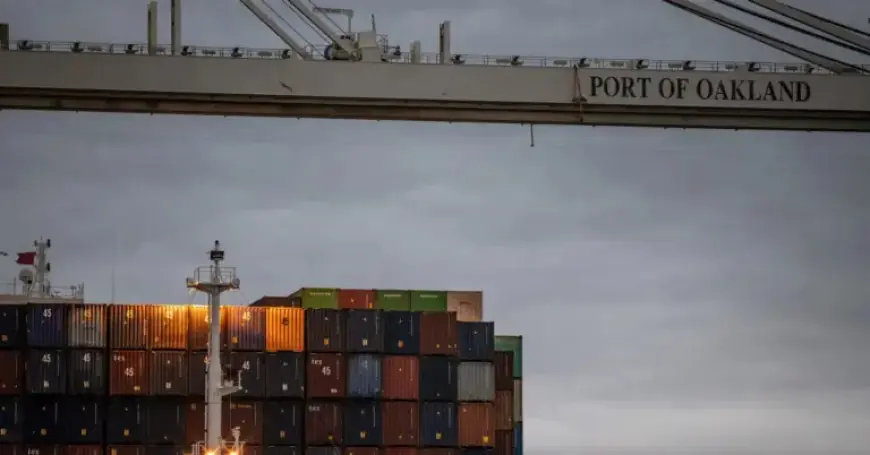
A coalition of 24 U.S. states has initiated a lawsuit against President Donald Trump’s administration, contesting his newly imposed global tariffs. This legal action represents the first formal challenge to the 10% tariffs that Trump announced following a critical Supreme Court ruling on February 20, which nullified many of his earlier tariffs.
Details of the Lawsuit Against Trump’s Tariffs
The states involved in the lawsuit include major entities such as California, New York, and Oregon. They assert that Trump’s tariffs are an illegal maneuver that circumvented the Supreme Court’s recent decision. The tariffs were enacted during a 150-day period under the Trade Act of 1974, which is intended for addressing urgent monetary emergencies, not for routine trade deficits.
Arguments from State Officials
- Oregon Attorney General Dan Rayfield criticized the tariffs as an “end run” around congressional authority, which he claims violates the U.S. Constitution.
- Rayfield states that Trump’s economic policies are largely unpopular and have incurred substantial costs for businesses and states, totaling hundreds of billions of dollars.
The lawsuit was filed in the New York-based U.S. Court of International Trade, where the states seek to block the new tariffs and demand refunds for any tariff payments made under the contentious Section 122 authority.
Administration’s Defense
White House spokesperson Kush Desai expressed confidence in the legality of Trump’s actions, stating that the president is using congressional authority to address significant international payment issues. Furthermore, U.S. Treasury Secretary Scott Bessent indicated that the imposed tariff rates may increase from 10% to 15% in the near future.
Context of Tariffs and Legal Authority
Trump has positioned tariffs as a cornerstone of his foreign policy during his second term, claiming expansive authority to impose them without congressional oversight. The recent ruling against him significantly curtailed his power under the International Emergency Economic Powers Act (IEEPA).
In response to the Supreme Court’s setback, Trump invoked Section 122 of the Trade Act of 1974, a rarely used authority permitting the imposition of tariffs up to 15% for 150 days in situations deemed as balancing payments issues. However, the states in the lawsuit argue that Trump has misapplied this provision, using it to justify tariffs aimed at correcting trade deficits instead of genuine monetary risks.
Legal Implications and Future Actions
The coalition represents 22 states with Democratic attorneys general and two states, Pennsylvania and Kentucky, with Democratic governors but Republican attorneys general. As the lawsuit unfolds, the U.S. Court is also managing numerous unrelated cases from businesses seeking refunds for over $130 billion in IEEPA tariff payments made prior to the Supreme Court ruling. A recent order directed U.S. Customs to start processing these tariff refunds.
As the legal battle progresses, it remains to be seen how the courts will interpret Trump’s authority and the implications for trade policies moving forward.