
























Algiers sees regional fallout as algiers watches Red Sea and Horn of Africa risks

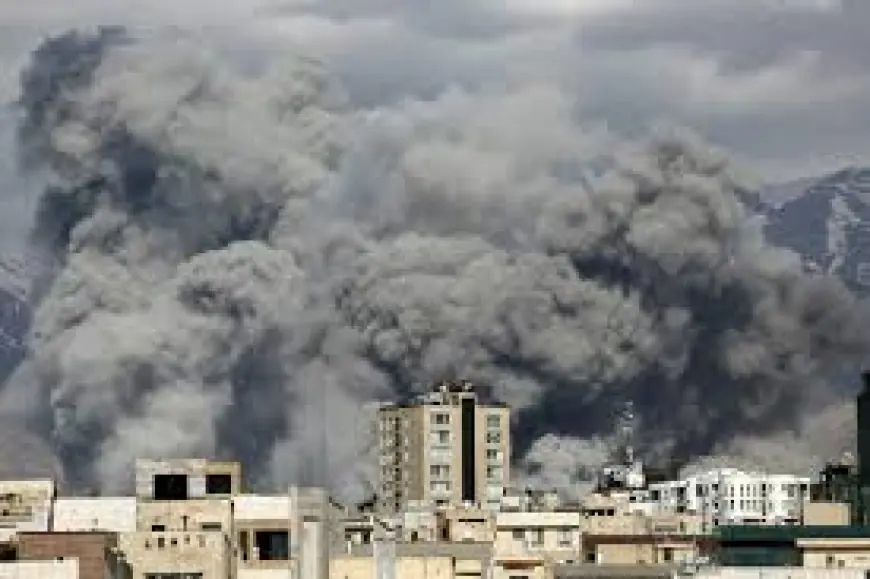
algiers — Governments and regional bodies have flagged immediate regional concern after the war with Iran raised questions about impacts on the Red Sea and the Horn of Africa. At the same time, the prime minister of Senegal, Ousmane Sonko, has denounced Israeli‑American strikes on Iran, and Cédéao has expressed a strong worry about the wider situation in the Middle East.
Algiers and regional reactions
Public attention has clustered around potential secondary effects of the conflict: disruptions tied to the Red Sea and the Horn of Africa were highlighted as a central repercussion. That line of concern frames responses across multiple capitals and regional institutions, which have signaled heightened vigilance about how the clash could ripple into maritime and coastal security zones.
Repercussions for the Red Sea and Horn of Africa
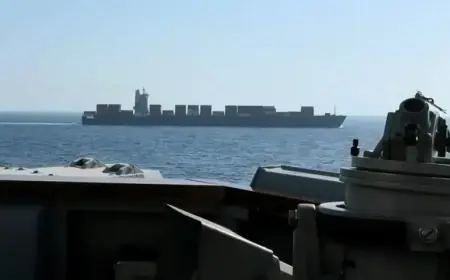
The war with Iran was explicitly linked to possible fallout in the Red Sea and the Horn of Africa. Observers note that those waterways and adjacent coastal areas are strategic for trade and maritime movement; the present concern centers on any escalation that might impede safe passage or increase risks for vessels and coastal communities. The scope and duration of such effects remain unclear at this time.
Ousmane Sonko denounces Israeli‑American strikes
The prime minister of Senegal, Ousmane Sonko, issued a denunciation of Israeli‑American strikes on Iran. That denunciation was presented as a political response to the military actions and forms part of the broader set of reactions from regional leaders concerned by the wider conflict dynamics. The nature of Sonko's statement reflects national-level unease about the strikes and their implications for regional stability.
Cédéao expresses deep concern over Middle East situation
Cédéao has registered a high level of concern about the unfolding situation in the Middle East. The organization's statement framed the developments as a source of serious worry for regional security and for the political environment across member states. Cédéao's posture underscores the extent to which leaders in the region view events in the Middle East as capable of producing spillover effects beyond the immediate combat zones.
Key takeaways and what to watch
- Regional bodies and leaders are focused on the Red Sea and Horn of Africa as potential channels for spillover from the war with Iran.
- Ousmane Sonko's denunciation of Israeli‑American strikes adds a vocal national-level critique within West Africa.
- Cédéao's deep concern signals institutional attention to broader security and political risks.
Forward look: If tensions around the conflict remain elevated, attention will likely stay fixed on maritime and coastal security in the Red Sea and Horn of Africa and on further political responses from regional governments and institutions. Specific developments to watch are any official security advisories, changes to maritime routing or insurance assessments, and subsequent statements from regional organizations; absent those observable indicators, the precise scale of regional disruption remains unclear.