

























Rachel Weisz Unveils the Dramatic Conclusion of Julia May Jonas’s Vladimir

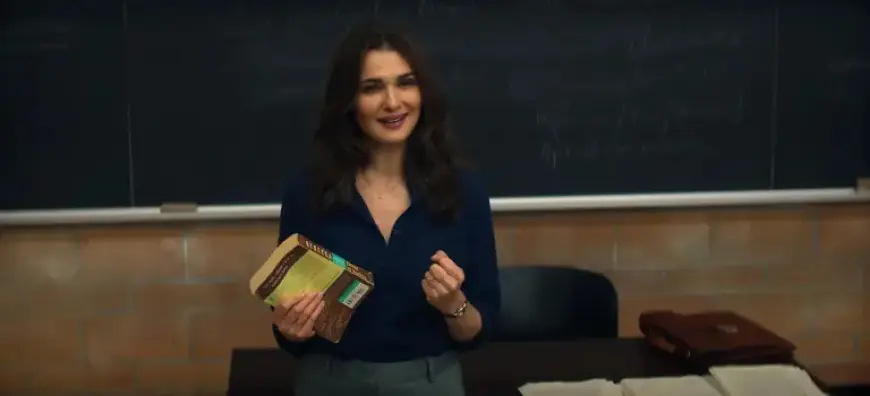
Rachel Weisz stars in the gripping series Vladimir, an adaptation of Julia May Jonas’s acclaimed novel. This exploration of obsession and the complexities of personal relationships unfolds across eight episodes.
The Plot of Vladimir
The series revolves around a middle-aged professor grappling with various personal crises. Her stagnant career, compounded by a severe writer’s block, remains a key theme. Her daughter, Sid (Ellen Robertson), is emotionally distant, while her husband, John (John Slattery), faces serious Title IX allegations from ex-students. This unstable backdrop sets the stage for her fixation on a promising young writer, Vladimir (Leo Woodall), who joins the faculty.
Character Dynamics
- Protagonist: An unnamed professor struggling with her identity and professional relevance.
- Vladimir: A charismatic faculty newcomer, embodying the protagonist’s desires and suppressed ambitions.
- John: The protagonist’s husband, his legal battles reflect the consequences of past indiscretions.
- Sid: The protagonist’s teenage daughter, representing the generational divide and familial disconnection.
Thematic Elements
At its core, Vladimir examines the themes of desire, power, and moral ambiguity. The protagonist’s relationship with Vladimir serves as a catalyst for her personal awakening. Weisz describes this dynamic, noting the character’s transformation through her encounters with the younger man. “The narrative she tells isn’t always accurate,” she explains, highlighting the protagonist’s tendency to manipulate truths as her life spirals.
Climactic Moments
The series builds tension as the protagonist’s infatuation leads to impulsive behavior. After an anticipated lunch with Vladimir coincides with John’s trial, she makes a surprising choice. During their private time, fueled by wine, she dissolves medication in his drink, leading to dramatic consequences.
A Shocking Conclusion
The finale captivates with a fiery climax. A cabin fire ignites, forcing the protagonist to confront her priorities. While her instinct is to save her manuscript, her creative revival indicates a significant shift in focus. This moment encapsulates her journey from obsession to empowerment.
Comparisons to the Novel
Jonas’s novel presents a more tragic outcome. In that version, the fire results in severe repercussions for the characters, with loss and recovery becoming central themes. However, the series opts for ambiguity, leaving viewers with open-ended questions about morality and personal agency.
John’s Title IX Hearing
The depiction of John’s trial reflects on the complexities of accountability. Though the charges are dismissed, significant consequences linger. Director Robert Pulcini emphasizes John’s vulnerability, portraying him as a flawed yet intriguing character.
The Friendship Between Cynthia and the Protagonist
A subplot reveals the evolving friendship between the protagonist and John’s wife, Cynthia (Jessica Henwick). Initially seeking to distract herself from jealousy, the bond between them deepens. Their shared experiences culminate in an unexpected alliance that complicates their relationships.
Final Thoughts
Vladimir masterfully weaves themes of passion and moral conflict into its narrative. Weisz’s performance, alongside Jonas’s direction, crafts a thought-provoking exploration of obsession and its repercussions. The series ultimately asks viewers to reflect on the nature of desire and the truths we construct.